You can buy it for 15 dollars at AbeBooks (they ship worldwide):
https://www.abebooks.com/servlet/BookDetailsPL?bi=30337321496&searchurl=kn%3Dpluriverse%2Bdictionary%26sortby%3D17&cm_sp=snippet-_-srp1-_-title1FOR BUYING THE BOOK at a discounted rate, please get directly in touch with our publisher AUF at
info@authorsupfront.com.
"Pluriverse: A Post-Development Dictionary" is a stimulating collection of over 100 essays on transformative alternatives to the currently dominant processes of globalized development, including its structural roots in modernity, capitalism, state domination, and masculinist values. In the post-development imagination, 'development' would no longer be the organizing principle of social life. The book presents worldviews and practices from around the world in a collective search for an ecologically wise and socially just world. It also offers critical essays on a number of false solutions that those in power are proposing in an attempt to 'greenwash' development. The 120+ contributors to the volume include activists, academics, and practitioners, with a wealth of experience in their respective fields of engagement.
The book focuses on the conceptualisation and practice of radical alternatives to ‘development’. It also challenges mainstream or superficial solutions to global crises, including ‘green economy’ and ‘sustainable development’. What has been missing is a broad transcultural compilation of concrete concepts, worldviews and practices from around the world, challenging the modernist ontology of universalism in favour of a multiplicity of possible worlds. This is what it means to call for a pluriverse.
The book follows the structure of an encyclopedia, with short 1000-word entries for each of the key terms. The entries are written by invited authors. In the list of authors you might recognize Vandana Shiva, Serge Latouche, Wolfgang Sachs, Silvia Federici, Nnimmo Bassey, Gustavo Esteva, Katherine Gibson, Maristella Svampa and many more.
FOR BUYING THE BOOK at a discounted rate, please get directly in touch with our publisher AUF at
info@authorsupfront.com:
https://www.authorsupfront.com/pluriverse.htmPublisher: Authors Up Front (self-publishing platform for the creative community; Delhi, India). See:
http://authorsupfront.com/ License: Creative Commons
EDITORS
Ashish Kothari is with Kalpavriksh and Vikalp Sangam in India, and co-editor of Alternative Futures: India Unshackled.
Ariel Salleh is an Australian scholar-activist, author of Ecofeminism as Politics and editor of Eco-Sufficiency and Global Justice.
Arturo Escobar teaches at University of North Carolina, and is author of Encountering Development.
Federico Demaria is with Autonomous University of Barcelona, and co-editor of Degrowth: A Vocubalary for a New Era.
Alberto Acosta is an Ecuadorian economist and activist, and former President of the Constituent Assembly of Ecuador.













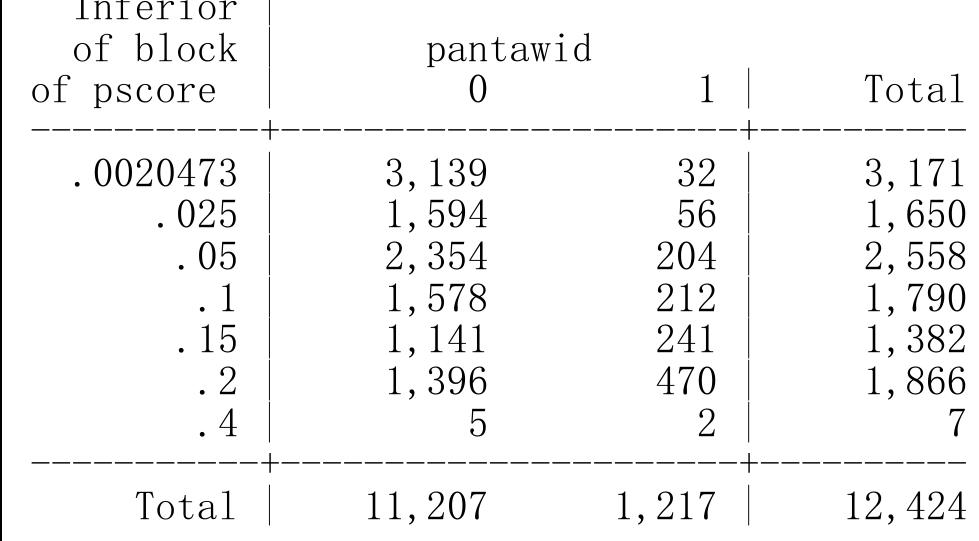


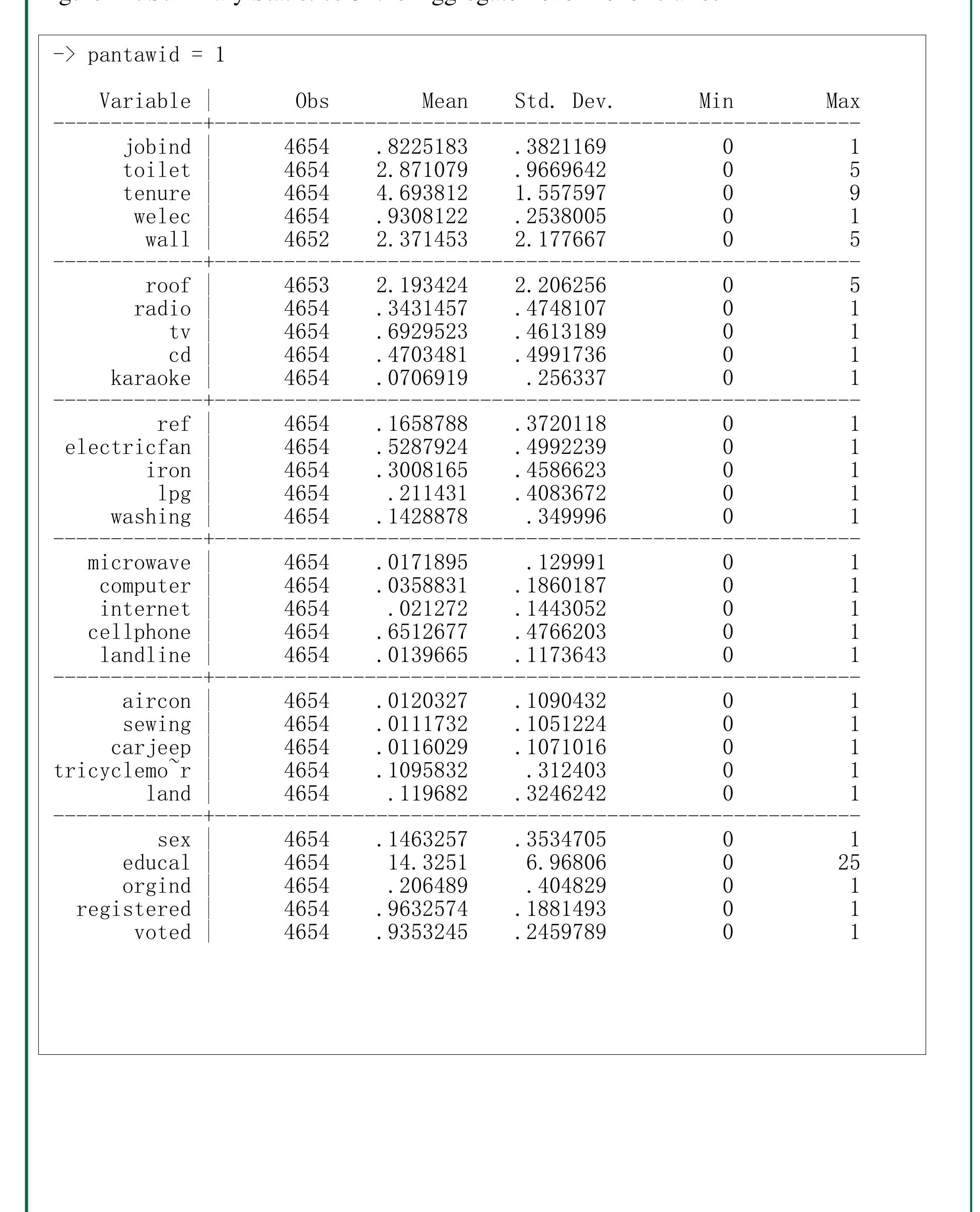




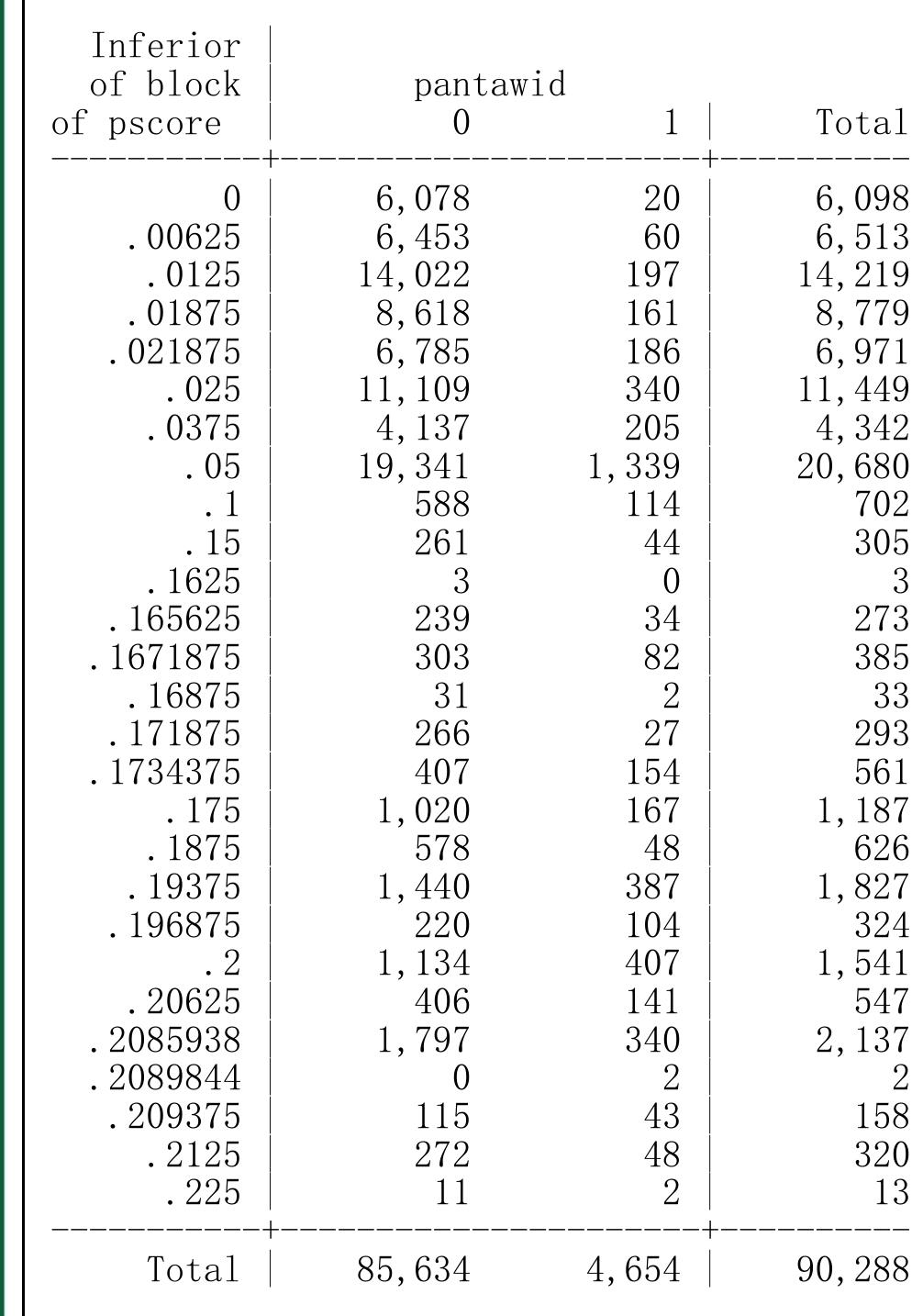
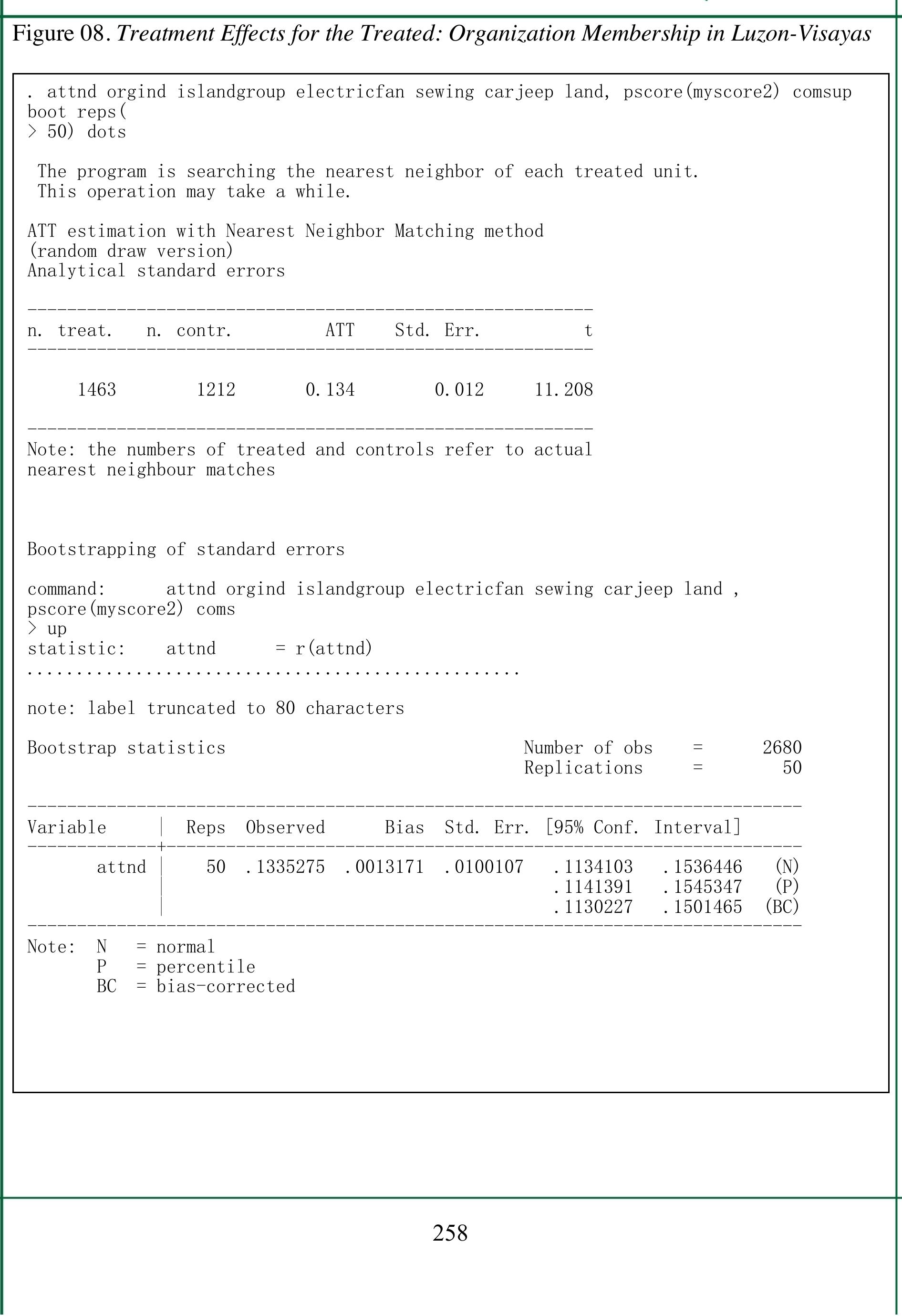
![Note: the common support option has been selected The region of common support is [. 01341568, . 98503046]](https://figures.academia-assets.com/37707502/table_055.jpg)











![Figure 3. Comparison of PCDD/Fs- and PCBs-TEQ in human body fat from various countries [17-19, 23, 24, 28-30].](https://figures.academia-assets.com/47154028/figure_010.jpg)

![Figure 5. Comparison of PCBs concentrations (ng/g lipid) in children’s blood between polluted areas (LQ) and control areas (LY and TT) [39]. Different from the results of PCBs, PCDD/Fs levels in children’s blood of the heavily pollute area LQ (206 + 157 pg/g lipid) were shown to be higher than the moderately polluted area T (160 + 102 pg/g lipid), but lower than the control area LY (282 + 261 pg/g lipid). Integrate analysis of the data for the three areas was performed, and the average PCDD/Fs level | children’s blood was 208 + 172 pg/g lipid (54.4-784 pg/g lipid) (Figure 5). Our previous stuc also revealed that PCDD/Fs levels in food (primarily fish and egg) in LY were about 3- to. fold of those in LQ. In 1960s, PCB-Na was abundantly produced and extensively applied | control schistosomiasis in LY. But during the production of PCP-Na, a large amount of PCDI Fs was generated. PCDD/Fs are persistent and can bioaccumulate through food chai eventually enter human body [44]. These results in our studies indicate there still exists gre health risk to the environment and population due to historically widespread application | PCP-Na in LY.](https://figures.academia-assets.com/47154028/figure_012.jpg)
![elements. Materials such as gold and palladium can be mined more effectively from e-waste compared to mining from ore [28]. By contrast, e-waste contains PBDEs, which are flame retardants that are mixed into plastics and other components. Circuit boards found in most of the electronic devices may contain arsenic (As), cadmium (Cd), chromium (Cr), lead (Pb), mercury (Hg), and other toxic chemicals. Typical printed circuit boards treated with lead solder in electronic devices contain approximately 50 g of tin-lead solder per square meter of circuit board [7]. Obsolete refrigerators, freezers, and air conditioning units contain ozone depleting Chlorofluorocarbons (CFCs). The prominent materials such as barium, cadmium, copper, lead, zinc, and other rare earth metals are contained in end-of-life (EOL) cathode ray tubes (CRTs) in computer monitors, and televisions. For example, items such as leaded glass provide protection against X-rays produced in the picture projection process in CRTs [6]. The average lead in CTR monitors is 1.6-3.2 kg. Thus, the US and other developed countries in the EU and Japan have banned the disposal of cathode ray tubes in landfills because of their toxic charac- teristics. A critical challenge in designing and developing strategies to manage e-waste is the changing composition of the many constituents due the advancement of technology, particu- larly in the electronic components [24]. It is against this background that e-waste recycling and disposal methods ought to keep pace with the changing composition of e-waste. Several factors influence the composition of e-waste, including economic conditions, availability of a reuse market, and infrastructure of the recycling industry, waste segregation programs, and regulation enforcement. Figure 1 illustrates the distinctive materials ina WEEE. E-waste generated from the different diverse sources is normally collected as a whole unit or sub-unit of functional equipment. In many instances across the globe, whole units of e-waste](https://figures.academia-assets.com/47154028/figure_013.jpg)
![Figure 2. Flow of the take back system in Japan. Source; Adapted from [58].](https://figures.academia-assets.com/47154028/figure_014.jpg)


![State-wise E-waste Generation in India (Tonnes/year) Figure 5. State-wise e-waste generation in India. The results of a field survey conducted in Chennai, a metropolitan city of India, to assess the average usage and life of the personal computers (PCs), televisions (TVs), and mobile phones demonstrated that the average household usage of the PC ranges from 0.39 to 1.70 depending on the income class [49]. Although the per-capita waste production in India is still relatively small, the total absolute volume of wastes generated is gigantic, and it continues to grow at an alarmingly fast rate. The growth rate of mobile phones (80%) is very high compared to that of PCs (20%) and TVs (18%). The public awareness on e-wastes and the willingness of the public to pay for e-waste management, as assessed during the study, based on an organized ques- tionnaire revealed that about 50% of the public are aware of environmental and health impacts of EOL electronic items. The willingness of the public to pay for e-waste management ranges from 3.57% to 5.92% of the product cost for PCs, 3.94% to 5.95% for TV and 3.4% to 5% for the mobile phones [50].](https://figures.academia-assets.com/47154028/figure_030.jpg)
![Figure 6. E-waste generation in India: Past and forecasts for the future. There are over 75 million mobile users and the number has increased to 200 million as of 2008 [57]. An estimated 30,000 computers become obsolete every year from the IT industry in Bengaluru alone [58]. India has about 15 million computers and the base is expected to grow to 75 million computers by 2010 since the life cycle of a PC has come down to 3-4 years from 7 to 8 years a few years back, and the segment is suffering from an extremely high obsolescence has jumped from 50,954 in 2002-2003 to 4,31,834 in 2005-2006 having registered an astonishing growth rate of 143% in 2005-2006 [48,52]. The overall PC sales in 2012-2013 considerably slowed down and the sales figure are well below the expectations. The overall sales figures touched 11.31 million in 2012-2013, registering a growth of 5% over the last fiscal. Desktop PCs continued to dominate the sales proceedings contributing around 60% of the sales although it is somewhat lesser than last year's contribution of 63%. Notebook sales posted a muted growth rate of 10% in 2012-2013 compared to the 22% rate in the previous year. Tablet PCs witnessed a massive growth rate of 424%. The sales for 2012-2013 stood at 1.9 million units as against 0.36 million units in 2011-2012 [53]. Sixty-five cities in India generate more than 60% of the total e-waste generated in India. Ten states generate 70% of the total e-waste in India [54]. Maharashtra ranks first followed by Tamil Nadu, Andhra Pradesh, Uttar Pradesh, West Bengal, Delhi, Karnataka, Gujarat, Madhya Pradesh, and Punjab in the list of e-waste gener- ating states in India (Figure 6). According to forecast, based on a logistic model and material flow analysis [55], the volume of obsolete PCs generated in developing regions will exceed that of developed regions by 2016-2018. By 2030, there would be two obsolete PCs in the developing world for every obsolete PC in the developed world. Similar forecasts have been arrived independently [56]. The advent of LCD, plasma, and larger screens has changed the way India views television and this has translated into phenomenal growth in sales, resulting in a considerable surge in rate of disposal as well.](https://figures.academia-assets.com/47154028/figure_031.jpg)
![Figure 7. Union Miniere Company's copper-smelting flowsheet for recycling of scrap IC board [14]. p: density (10° kg/m), o: electrical conductivity of material (10*/Om). The separation of metallic components through magnetic and eddy current separators are in vogue, wherein, ferrous components are separated, aided either by a permanent magnet or electromagnet, while metals such as aluminum and copper from non-metallic materials are separated in eddy current separator. Table 5 shows the materials that can be separated by eddy current separator. The main separation criteria is 0/9 [75]. On the basis of information provided by the Union Miniere Company [14], Figure 7 presents a copper-smelting flowsheet for recycling of scrap IC boards that is ideally carried out in a primary copper smelting plant, however, such facilities are not well-established in most parts of the world. Thus, removal of the non-recyclable materials (e.g., epoxy resin and fiber glass) from the IC board to enhance the value of recyclable material is preferable since post-separation provides higher metal concentration in lesser volume, thereafter the enriched metal content can then be sold and transported to an appropriate recycling facility for further processing [14]. transported to an appropriate recycling facility for further processing [14].](https://figures.academia-assets.com/47154028/figure_032.jpg)
![Figure 8. Huei-Chia-Dien Company's physical separation flowsheet for recycling of scrap IC boards [14]. Generally, this type of separation plant comprises of a series of physical treatment units devoted to processes such as crushing, grinding, screening, magnetic separation, air classifi- cation, eddy-current separation, electrical-conductivity separation, etc., wherein varied metal fragments of various size and content are obtained, depending on the separation technique and units deployed. The varied metal fragments, except iron, usually contain multiple types of metals, thus, identifying appropriate recycling markets for such mixed metal fragments is imperative [14]. There being no necessity of either water or chemical additive in the processing method, there is no wastewater-associated pollution issue, however, special attention should be provided with respect to dust and noise pollution. The low capital and operational cost in a physical separation plant for IC board recycling, being much less compared with a copper- smelting plant, is undoubtedly an added advantage of immense significance. On the basis of information provided by Huei-Chia-Dien Company, Taiwan [14], Figure 8 presents a physical separation flowsheet for the recycling of scrap IC boards.](https://figures.academia-assets.com/47154028/figure_033.jpg)
![Figure 9. Process flow chart for the technology developed for precious metals at CSIR-NML, Jamshedpur [77]. Processing technology has been successfully developed for the recycle and reuse of e-waste at Council of Scientific and Industrial Research—National Metallurgical Laboratory (CSIR-NML), Jamshedpur, India, in which metal bearing e-waste components were shredded and pulver- ized at the initial operation stage. Subsequently, the metals are separated from the plastics in the particulate mass, adopting a series of physical separation processes. The process does not require much specialized and sophisticated equipment for processing of waste PCBs, since the said equipment and machinery required are readily available, however, its efficiency, espe- cially with respect to commercial viability needs to be further worked upon [76]. The natural hydrophobicity of non-metallic constituents is effectively exploited by a flotation process and a continuous operation at plant level can reasonably be expected to minimize the loss of ultrafine metal values to a negligible level. The operation is simple and the overall](https://figures.academia-assets.com/47154028/figure_034.jpg)
![Pyrometallurgical processing techniques, including conflagrating, smelting in a plasma arc furnace, drossing, sintering, melting, and varied reactions in a gas phase at high temperatures for recovering non-ferrous metals, as well as precious metals from e-waste, happens to be the conventional method deployed in the past two decades, wherein, the crushed scraps are liquefied in a furnace or in a molten bath to remove plastics and in the process, the refractory oxides form a slag phase together with some metal oxides. In the precious metals refinery setup, gold, silver, palladium and platinum are recovered. The anode slime from the copper electrolysis process is subjected to pressure leaching, followed by drying of the leach residue and the same after addition of fluxes is smelted in a precious metals furnace, leading to the recovery of selenium. The remaining material, primarily silver, is cast into a silver anode, subsequently when subjected to a high-intensity electrolytic refining process, a high-purity silver cathode and anode gold slime are formed while leaching of anode gold slime leads to precipitation of high-purity gold, as well as palladium and platinum sludge. Figure 10 shows the precious metals recovery process. Recovery of precious metals from electronic scraps factually is the key to its commercial exploitation by the recycling industry, for profiteering, in the backdrop of the fact that e-scrap contains more than 40 times the concentration of gold content in gold ores found in the US [79], which is almost one-third the precious metal recovered in e-waste processing. The extraction of the precious metal is carried out by the well-established techniques that are discussed in detail in various articles [80-83]. Various methodologies such as pyrometallurgy, hydrometallurgy, and bi-hydrometallurgy technologies are analyzed for the recovery of gold and also the evaluation of recovery efficiency of gold from e-waste has been reviewed [84].](https://figures.academia-assets.com/47154028/figure_035.jpg)
![Figure 12. Schematic diagram for the Rénnskar Smelter [31]. Umicore published [30, 87] its precious metals refining process at Hoboken, Belgium, which is primarily focused on the recovery of precious metals from e-waste. Various industrial wastes and by-products from other non-ferrous industries (e.g., drosses, matters, speiss, anode slimes), sweeps of precious metals and bullions, spent industrial catalysts, as well as consumer recyclables such as car exhaust catalysts or PCBs are acceptable for the integrated metals smelter and refinery process. The plant treats around 2,50,000 tons of varied wastes per annual, Figure 11. Schematic diagram for the Noranda Smelting Processing [85].](https://figures.academia-assets.com/47154028/figure_036.jpg)

![Figure 13. Flowsheet for Umicore's integrated metals smelter and refinery [30]. out of which electronic waste presently comprises up to 10% of the feed [30]. It is the world's largest precious metals recycling facility with a capacity of over 50 tons of PGMs, over 100 tons of gold, and 2400 tons of silver [88]. The first step in the precious metals operations (PMO) is smelting by using an IsaSmelt furnace. Plastics or other organic substances that are contained in the feed partially substitute the coke as a reducing agent and energy source. The smelter separates precious metals in copper bullion from most other metals concentrated in a lead slag, which are further treated at the Base Metals Operations (BMO). The copper bullion is subse- quently treated by copper-leaching and electrowinning and precious metals refinery for copper and precious metals recovery. The Bace Metale Onerations process bv-nrodiicts from the PMQ). The main pnrocessine stens](https://figures.academia-assets.com/47154028/figure_038.jpg)
![The flowchart (Figure 14) shows two methods of recycling scrap mobile phones developed in Korea [38]. The first method (process I) involves shredding of waste PCBs and shipment to a copper smelter. The second method (process II) comprises of shredding, conflagration, melting or converting to copper alloy containing precious metals, and subsequent refining adopting the hydrometallurgical route. However, the systemic operation of recycling for e-waste processing operations in Korea does not in true sense function effectively since the majority of waste mobile phones collected are exported or conflagrated and landfilled, while only 2.5% of the waste mobile phones collected are actually processed for recycling. A pilot plant to recover cobalt from spent lithium-ion batteries of waste mobile phones is under operation, taking into account the high-valuation of cobalt. Figure 14. Flow sheet for the recycling of metal values from waste mobile phones in Korea [38].](https://figures.academia-assets.com/47154028/figure_039.jpg)


![Many researchers have established that a clear definition of e-waste is needed due to rapid technological changes and enhancement, which are shortening the lifespan of the electronic products [8-10]. To date, the widely accepted definition in different e-waste studies is by the EU WEEE Directive, which defines e-waste as “Electrical or electronic equipment (EEE) which is Anelectrical and electronic product can be classified as a product that contains a printed circuit board (PCB) and uses electricity. Much has been written about the e-waste problem, yet the definition of the term "electronic waste" is quite complex to define. Referring to scholarly literature on the topic, there is, as yet, no standard definition, as every country has its own definition of e-waste. The questions that arise, therefore is: What is to be called e-waste? Any electronic or electrical appliances, which are obsolete in terms of functionality? Products that are operationally discarded? Or is it both? [10]. Table 1 gives a list of the different definitions of e-waste.](https://figures.academia-assets.com/47154028/table_007.jpg)
![Disposal of e-waste is mainly through landfilling. Most often, the discarded electronic goods finally end-up in landfill sites along with other municipal waste or are openly burnt releasing toxic and carcinogenic substances into the atmosphere. In developing and transition countries the disposal of e-waste in the informal sector is very rudimentary so far as the safe techniques employed and practices are concerned, resulting in low recovery of materials [38]. Table 3 presents a comparison of typical disposal systems in developed and developing countries. presents a comparison of typical disposal systems in developed and developing countries. E-waste management is different between developed countries and developing and transition countries. Developing and transition countries do not have guidelines and information campaigns on the fate of e-waste. Especially, less sophisticated disposal systems are used, from open burning and dumping to uncontrolled landfill sites, which pose significant environmental pollution and occupational exposure to e-waste-derived chemi- cals [31]. Serious challenges in the disposal of e-waste were analyzed across developing countries such as Brazil [19], China [42], and India [43], outlining the difficulty to implement/ enforce existing regulations and clean technologies backed by lack of capacity building and awareness. In contrast, developed countries have devised sophisticated disposal schemes and high-cost systems, which are less hazardous to handle waste. However, a comprehen- sive overview of the situation is constrained by the availability of data. This means that the differences in the socio-economic and legal contexts between typical developing and developed countries’ scenarios limit e-waste management in developing and transition countries. The regulations that guide the disposition of e-waste in developing countries is mostly fragmented and lack monitoring, while in developed countries the regulations are stringent and there is effective monitoring [36].](https://figures.academia-assets.com/47154028/table_008.jpg)


![Table 1. E-waste sources and their health effects. 4.9. Health and environmental impact of e-waste EOL of electrical and electronic equipments comprise numerous components, many of whicl are inherently hazardous and highly toxic in nature, which if not arrested through scientifical]; sustainable recycling and disposal, can lead to a disastrous impact on life, environment, anc climate as well. Certain examples of sources of e-waste and their related adverse health impact are listed in Table 1 [23]. However, if handled in a controlled environment and disposed-of adopting safe and sustainable methodology, these e-wastes provide immense value additio1 and new product cycle, driving great economic prospect, without posing risks to life, envi ronment, and climate. However, haphazard recycling and disposal of e-waste by the unor ganized sector without access to adequate technology and resources, guided by profit-onl} motive can have damaging consequences to inhabitants and the environment, including bu not limited to the workforce engaged in this trade, groundwater pollution, etc., especially or account of highly toxic release into the soil, air, and ground water [23].](https://figures.academia-assets.com/47154028/table_011.jpg)
![Given the diverse range of materials found in WEEE, it is difficult to give a generalized material composition for the entire waste stream. However, most studies examine five categories of materials: ferrous metals, non-ferrous metals, glass, plastics, and others. Figure 1 shows the material fractions in e-waste [2]. Metals are the major common materials found in e-waste representing about 60%. Plastics are the second largest component by weight representing about 15%. Figures 2—4 shows the material composition of a personal computer [25, 26], followed by television sets [27] and mobile phones [28].](https://figures.academia-assets.com/47154028/table_012.jpg)


![The content or substances in cellular phone are variable to some extent, based on the model and its manufacturer, with no fixed formula or list of contents applicable as such, thus, the list of substances in an average mobile phone may also be misleading since varied substances might be used as additives in very minimal quantities or traces by different manufacturers in the production of microelectronic components. However, the general composition of cellular phones and other small electronic goods as well, is identical in nature. Table 6 presents the fractional composition of a modern cell phone [89]. Recovering metals of higher percentage concentration like copper and metals of precious value or worth like gold, palladium and silver is factually the underlying objective for metal recovery from EOL or obsolete cellular phones and aluminum or magnesium cases of cellular phones wherever applicable, contribute further to value addition or generation through its recycling.](https://figures.academia-assets.com/47154028/table_015.jpg)