

 Roman Skala

580 California St., Suite 400
San Francisco, CA, 94104
2003, Journal of Geosciences

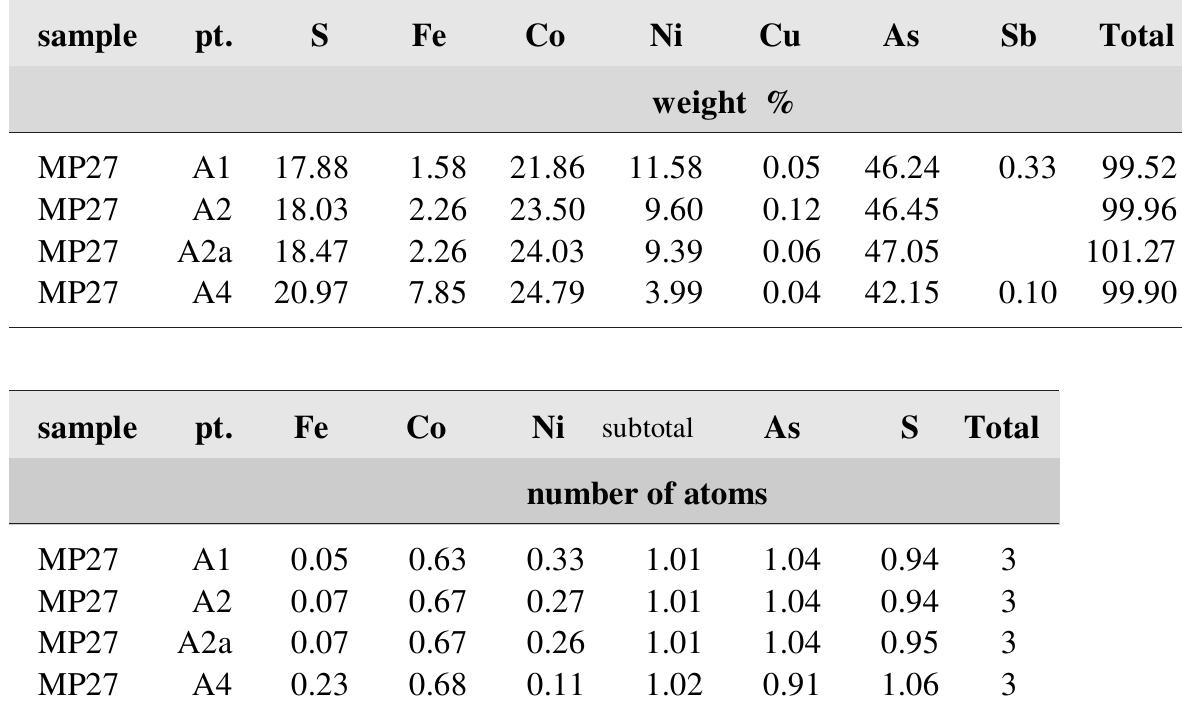
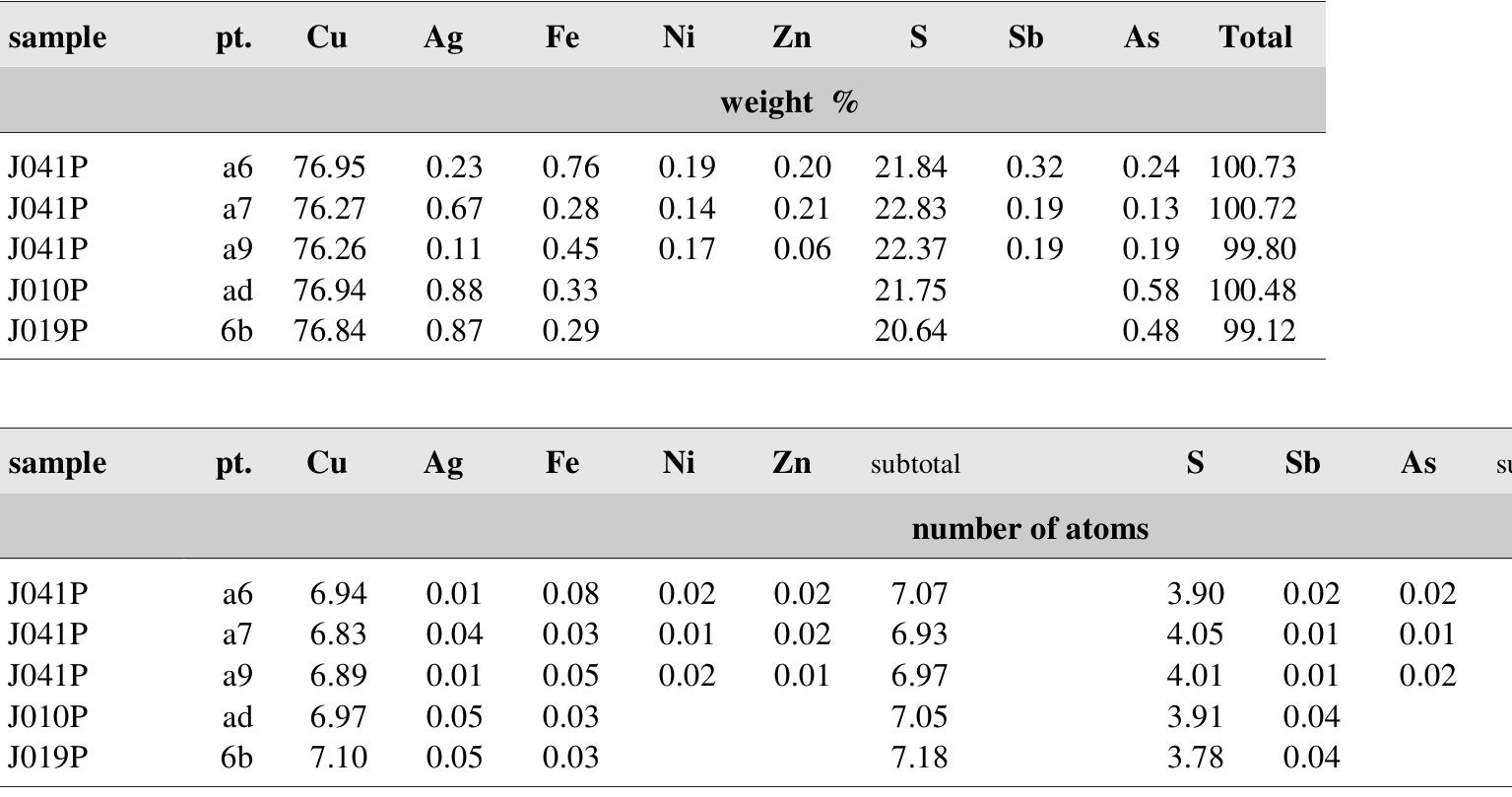
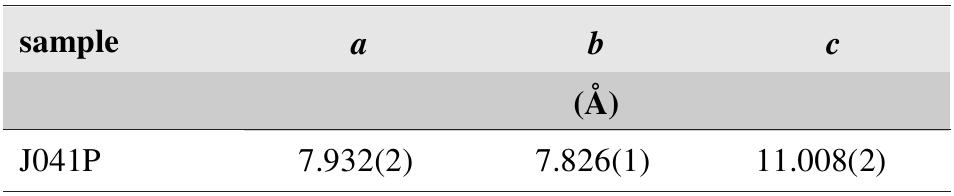
One hundred and seventeen primary mineral species are described and/or referenced. Approximately seventy primary minerals were known from the district before the present study. All known reliable data on the individual minerals from Jáchymov are presented. New and more complete X-ray powder diffraction data for argentopyrite, sternbergite, and an unusual (Co,Fe)-rammelsbergite are presented. The following chapters describe some unknown minerals, erroneously quoted minerals and imperfectly identified minerals. The present work increases the number of all identified, described and/or referenced minerals in the Jáchymov ore district to 384.




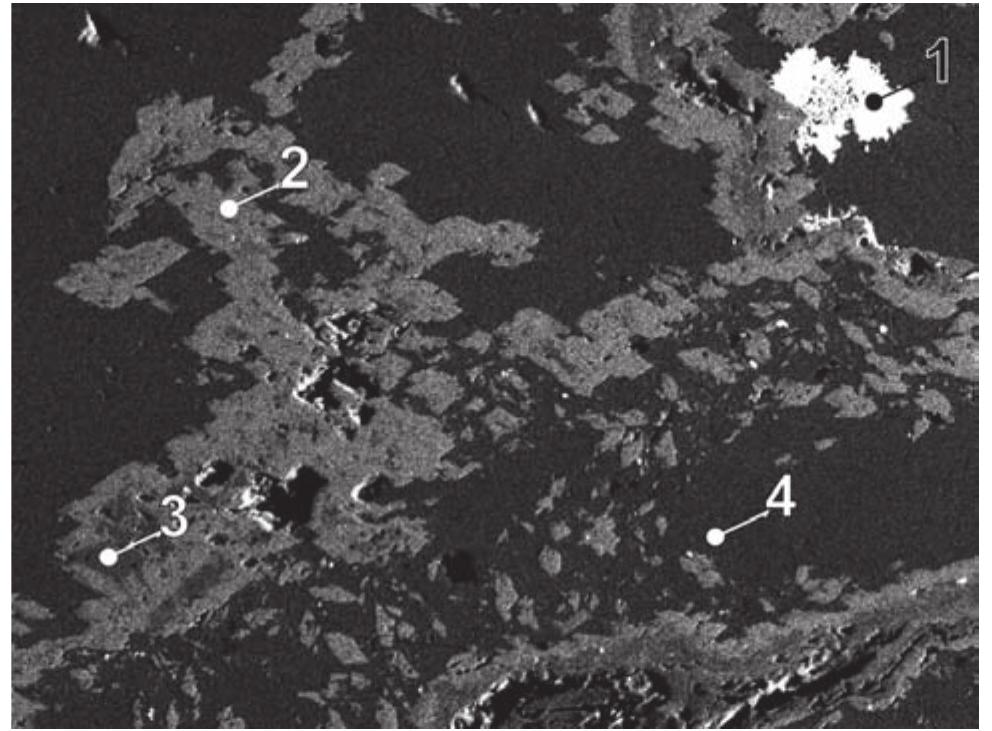
![Fig. 5. JL16P/D-2. 1 — annabergite, 2 — pyrite, 3 — Ag-Fe-sulphides. Svornost shaft, 8 level, Geschieber vein. BSE image. Magnification 270x. Argentopyrite was decribed from Jachymov by Sarto- rius in 1866 [438]. Tschermak [469] considered the](https://figures.academia-assets.com/71852809/figure_005.jpg)




![Fig. 13. Argentopyrite according to Schrauf in [492].](https://figures.academia-assets.com/71852809/figure_013.jpg)

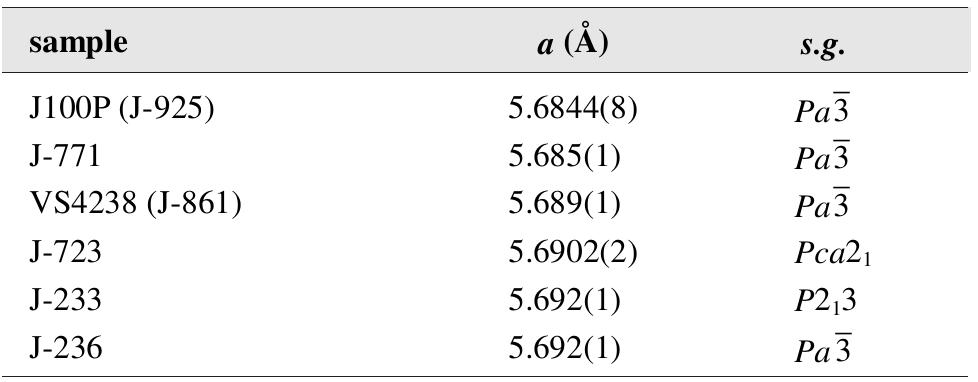
![Fig. 14. Comparison of distorted six-member rings S-Fe-S—Fe—S—Ag in the structure of argentopyrite (top) and sternbergite [430] (bottom). Two Fe atoms are positioned above the triangle defined by S atoms and Ag atom is on the opposite side of the triangle.](https://figures.academia-assets.com/71852809/figure_014.jpg)


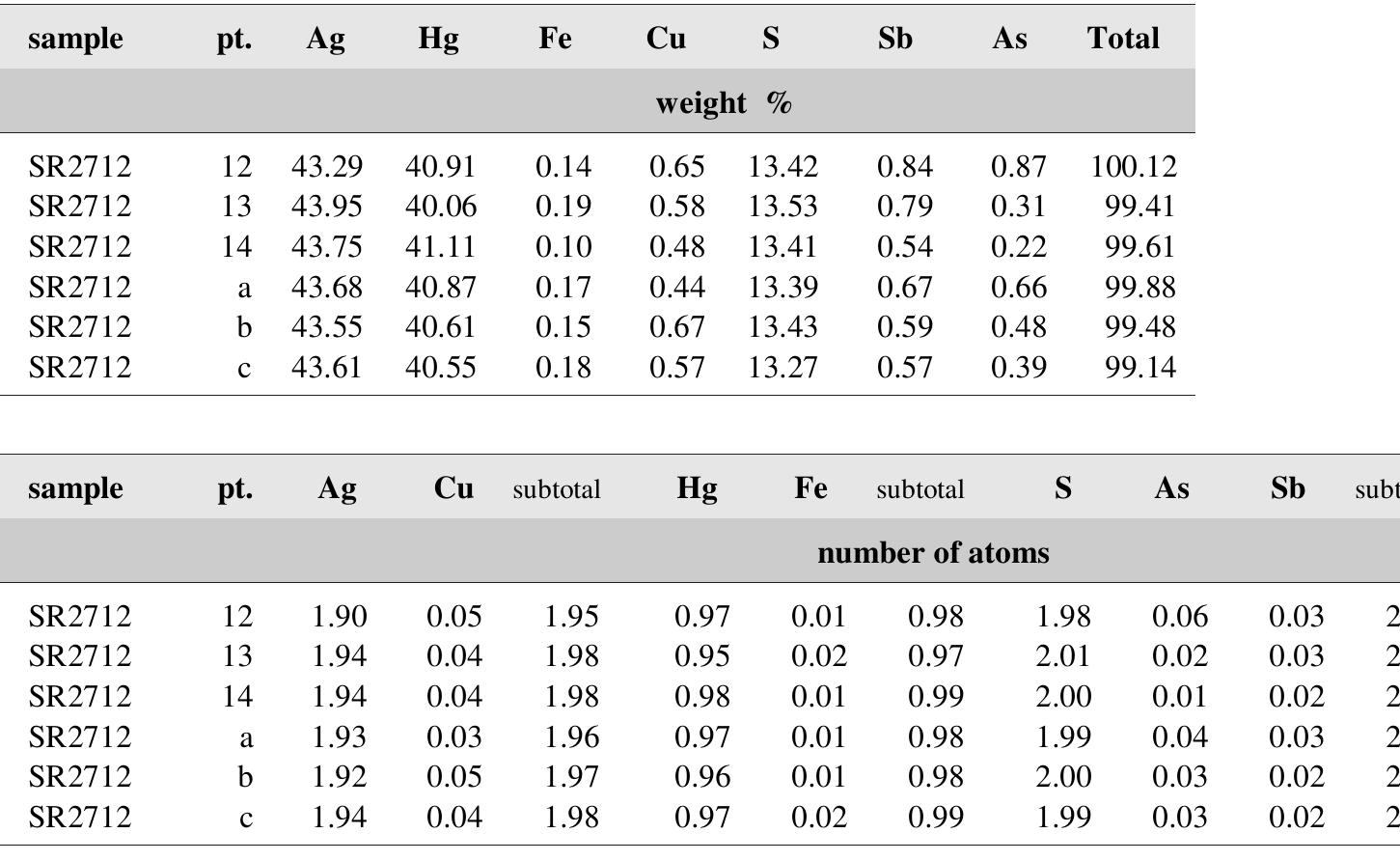
![Fig. 27. Composition of arsenpolybasite from Jachymov compared with the solid solution in a synthetic system [441].](https://figures.academia-assets.com/71852809/figure_028.jpg)







![Fig. 50. Chalcocite crystal drawing by Vrba [362]. Crystal forms: c(001), e(012), d(021), b(010), z(113), v(112), p(111), m(110), n(230), m(130), a(100). Fig. 49. Group of tabular crystals of chalcocite up to 2 mm (width of figure 5 mm). Photo J. & E. Sejkora.](https://figures.academia-assets.com/71852809/figure_049.jpg)


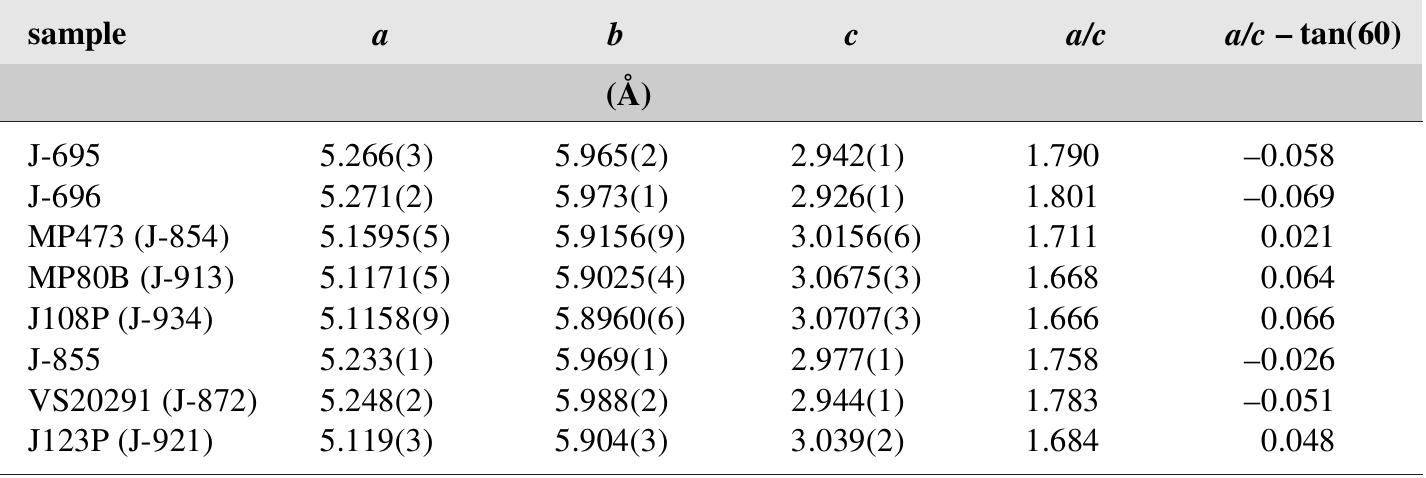
![* The value estimated from unit-cell dimensions and thermal analysis. Theoretical value for USiOs, is 7.16 g.cm” [150]. Table 39. Calculated unit-cell parameters of coffinite from Jachy- mov for the space group /4,/amd and density.](https://figures.academia-assets.com/71852809/table_041.jpg)


![Table 43. Microhardness of diaphorite. Diaphorite forms anhedral to subhedral grains of micro- scopic size in microcrystalline intergrowth with pyrite and stephanite. These coatings cover massive stephan- ite covered by stephanite crystals. The specimen collect- ed in 1872 is in the Mineralogical collection, National Museum, Prague, No. NM9512 [333].](https://figures.academia-assets.com/71852809/table_046.jpg)


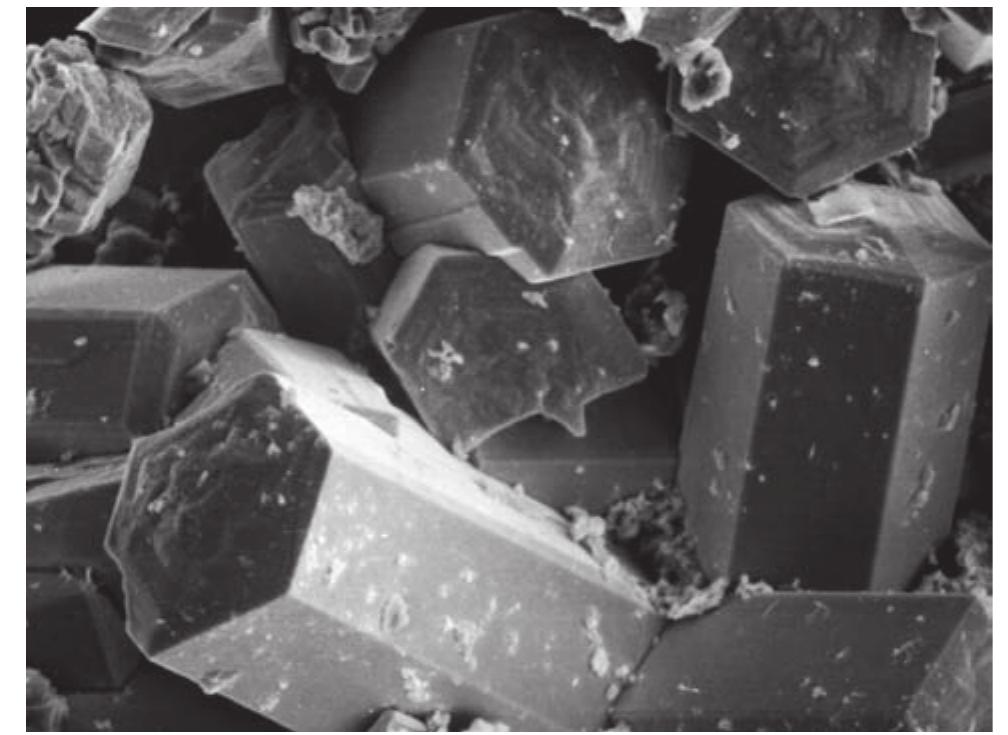
![Fig. 62. Dickite crystals. SE image. Magnification 690x. Photc Z. Mach [595].](https://figures.academia-assets.com/71852809/figure_064.jpg)






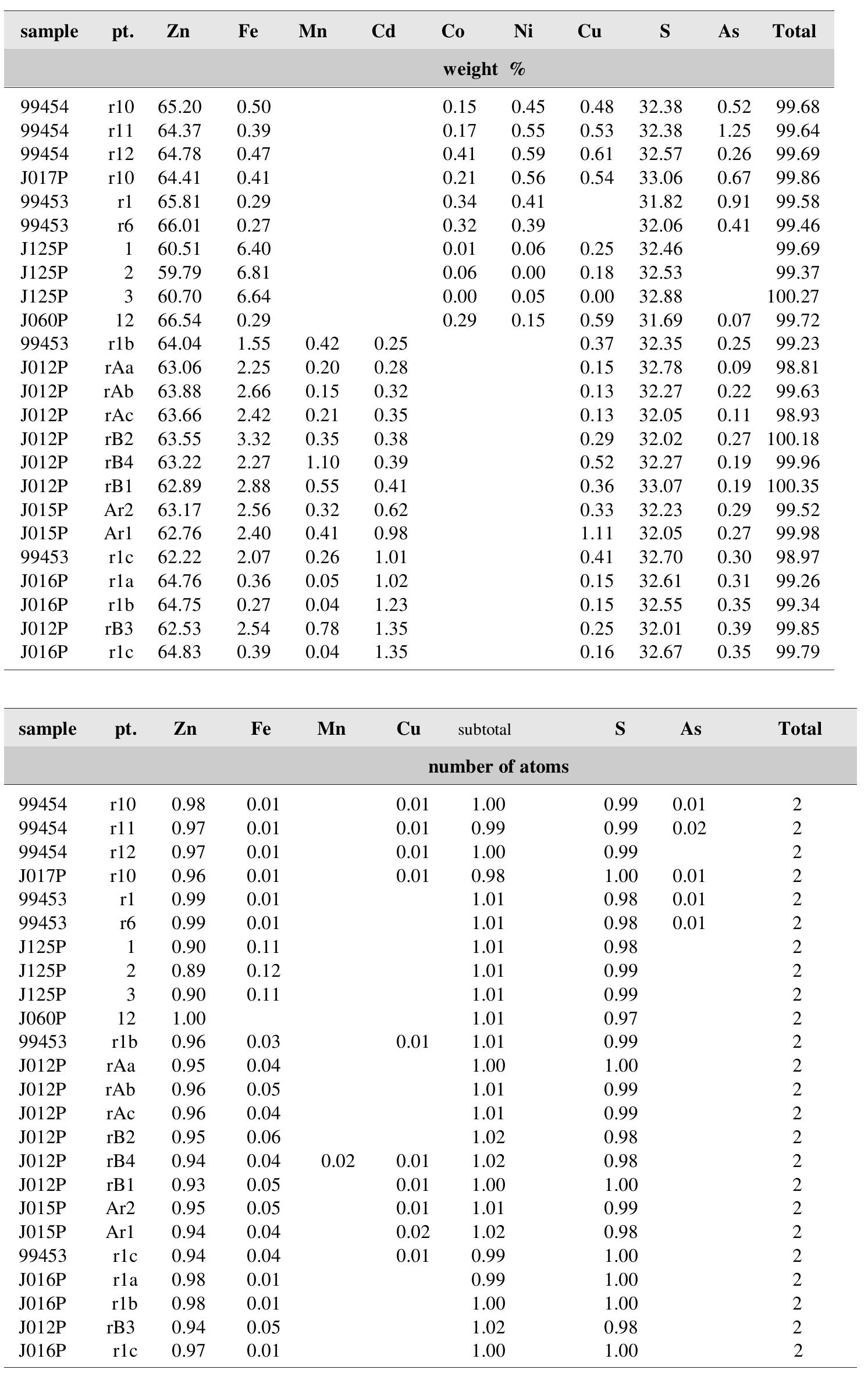
![Table 57. Chemical analyses of freibergite. white) but fluorite of the carbonate-uraninite stage is violet turning to nearly black in proximity of uraninite lenses. In both cases, fluorite forms isolated grains, small aggregates or thin veinlets with euhedral crystals in vugs [351]. Galena PbS](https://figures.academia-assets.com/71852809/table_059.jpg)










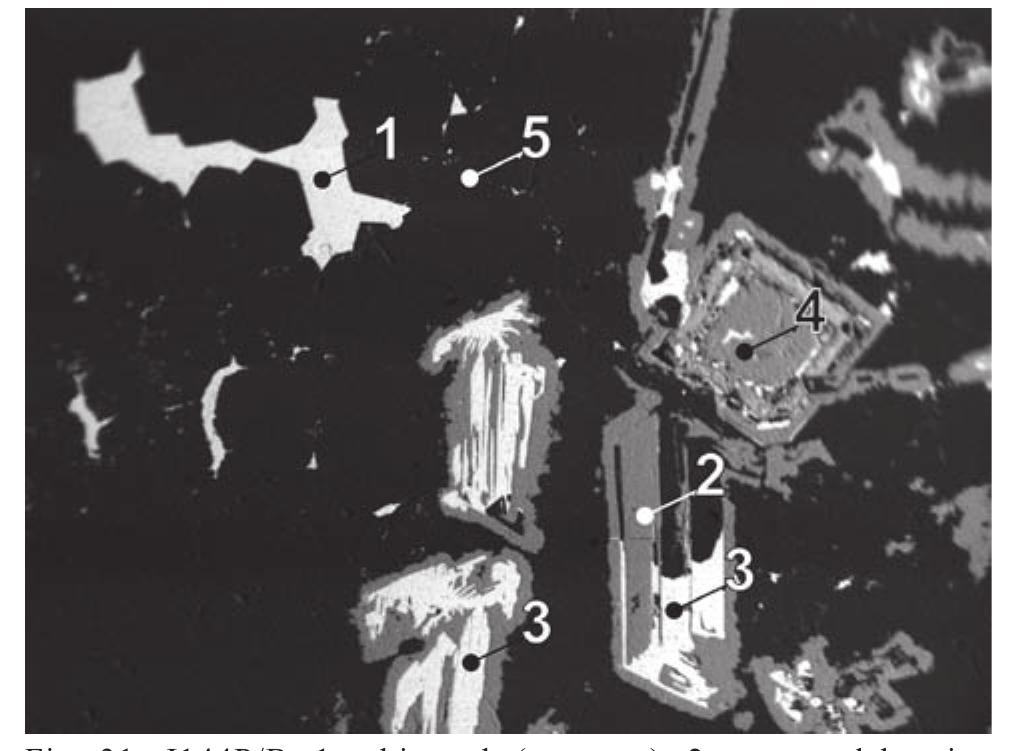
![Fig. 89. JO74P/A-3. 1 — lautite, 2 — léllingite, 3 — bornite, 4 — galena, 5 — quartz. Svornost shaft, Daniel level, intersection of Trojicka vein with Geschieber vein. BSE image. Magnification 320x. A possibility remains that enargite replacing bismuth, reported by Ziikert [423] in a polished section, was also lautite, because of similarity in optical properties of enargite and lautite.](https://figures.academia-assets.com/71852809/figure_091.jpg)


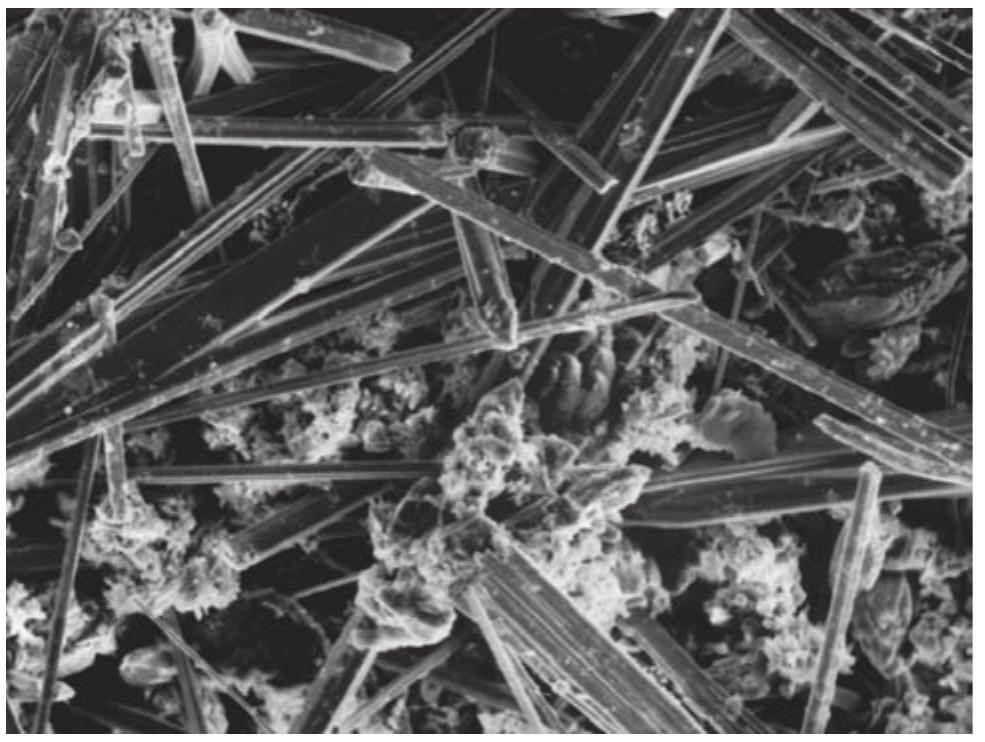


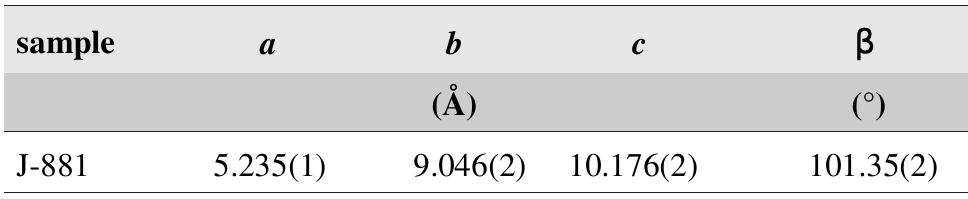


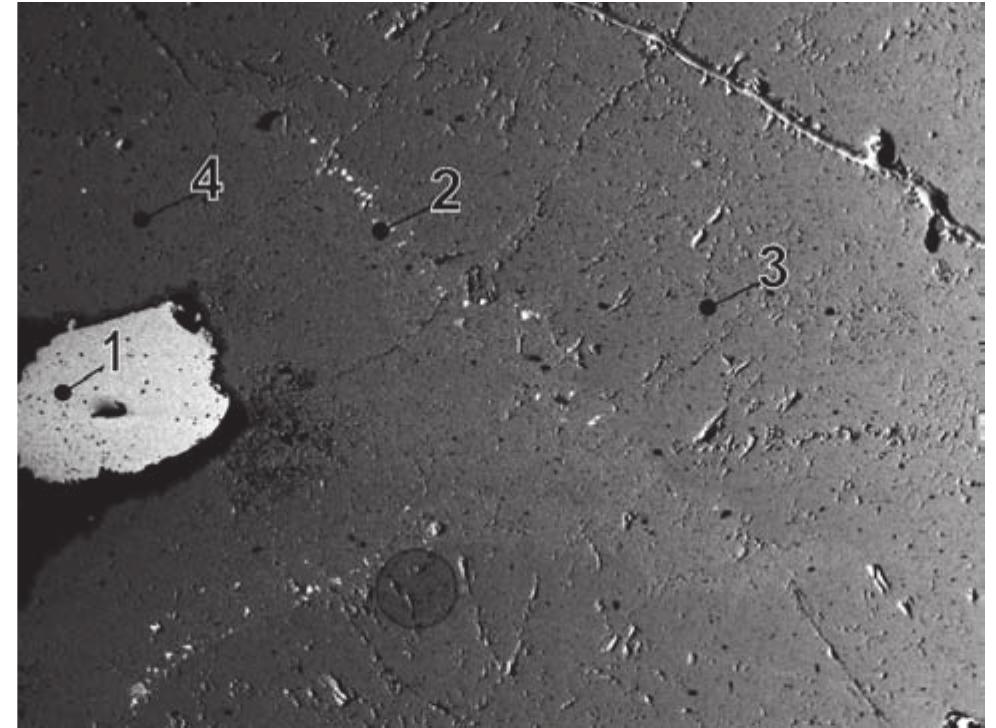


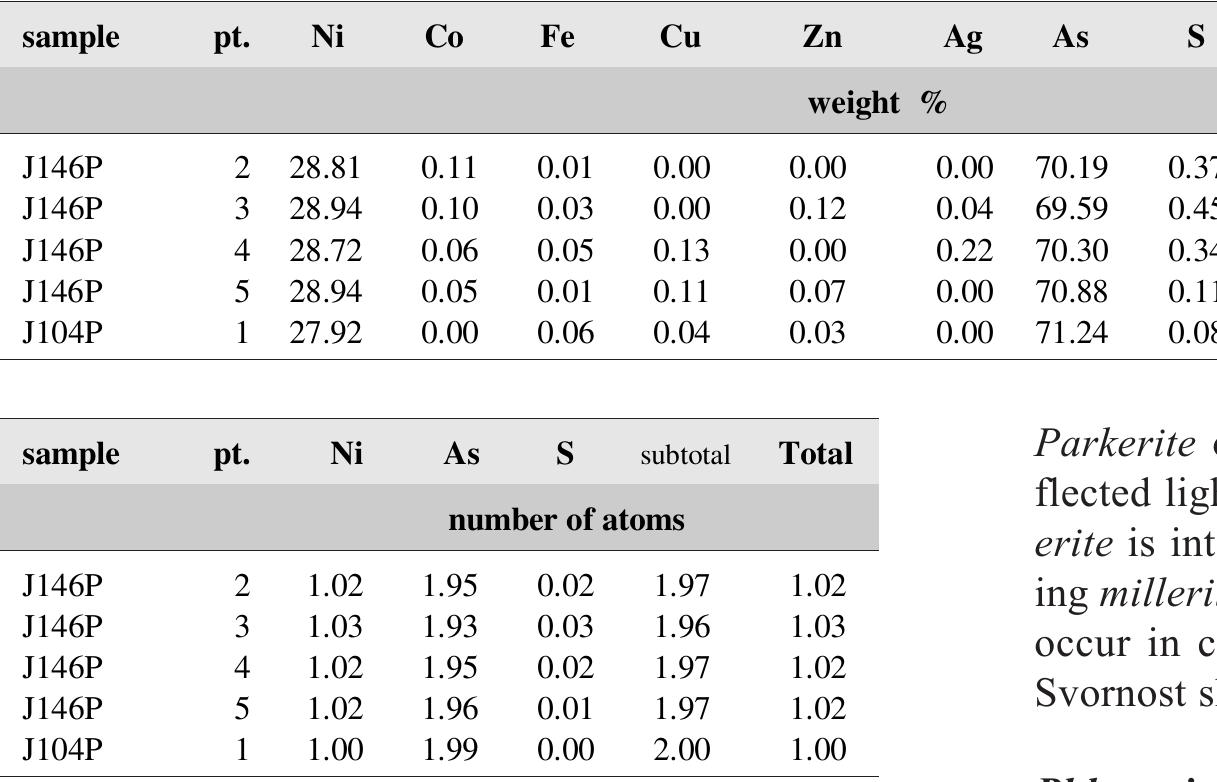
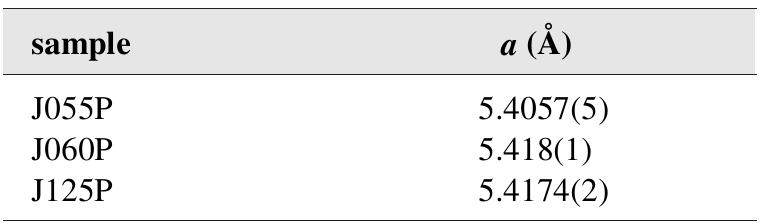
![Table 89. Calculated unit-cell parameters of nickel- skutterudite from Jachymov for the space group /m3. The second type of nickel-skutterudite — cubic crystals or rather their relics partly replaced by bismuth and quartz, and some anhedral crystals, associate not only with bismuth and bismuthinite but also with tennantite, chalcopyrite and younger sulphides. Density corrected for content of bismuth and quartz was 6.23 g/cm? [429]. According to Zepharov- ich [391], density of nickel-skutterudite is 6.89 g/cm’.](https://figures.academia-assets.com/71852809/table_094.jpg)






![Table 97. Calculated unit-cell parameters of proustite from Jachymov for the space group R3c. Proustite-pyragyrite minerals close in composition to the end-members occur only exceptionally in the Jachymov ore veins. Pyrargyrite has at least a minor As content, with minimum at 0.2 wt.% As. Both minerals tend to form in- tergrowth in crystallographic orientation and single crys- tals of pure proustite and pyrarargyrite have not been found. Ramdohr [487] described crystallographically ori- entated intergrowth of the two minerals from Andreasberg in Harz, Germany. From Jachymov, Ramdohr mentioned](https://figures.academia-assets.com/71852809/table_104.jpg)


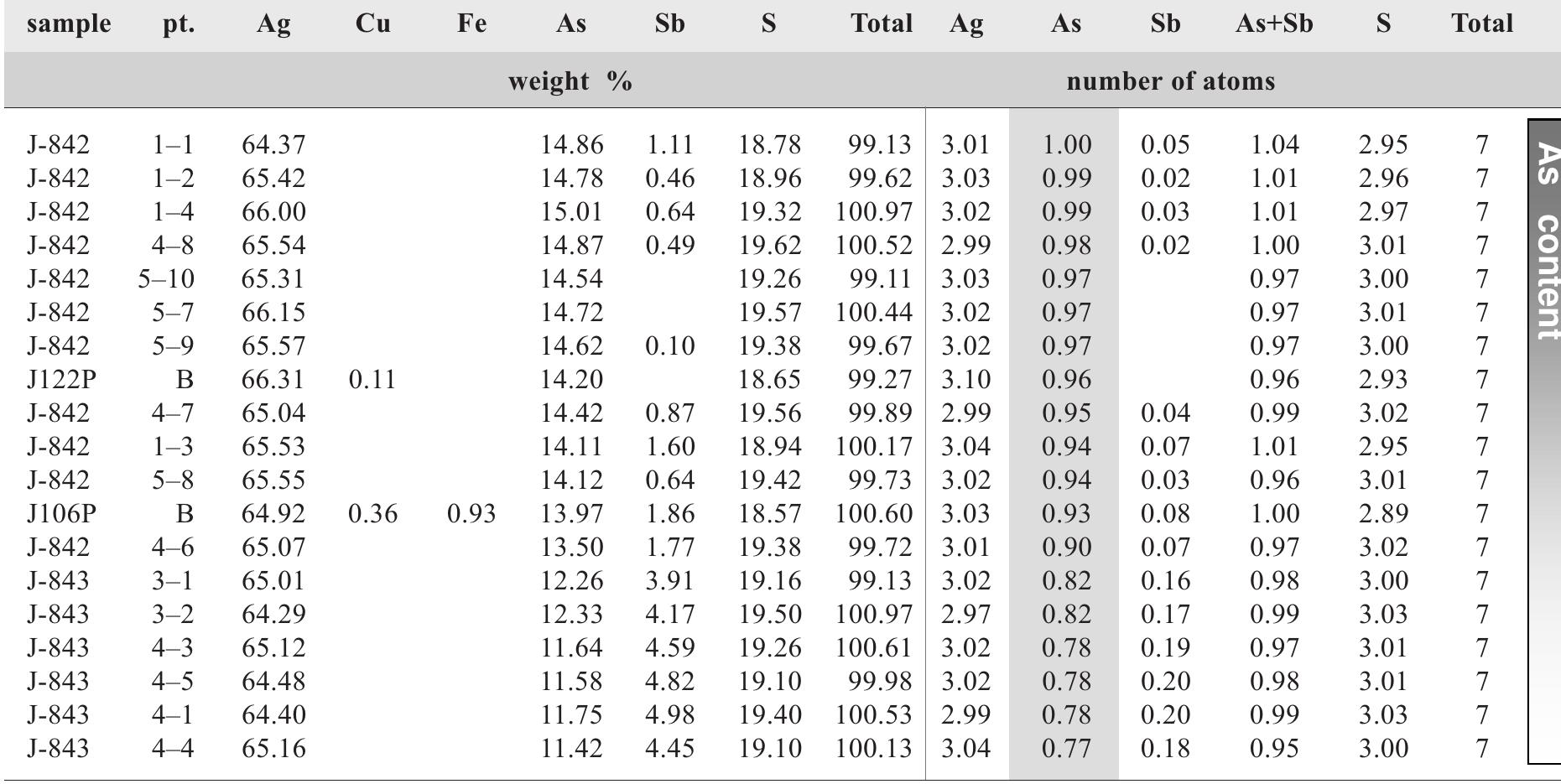


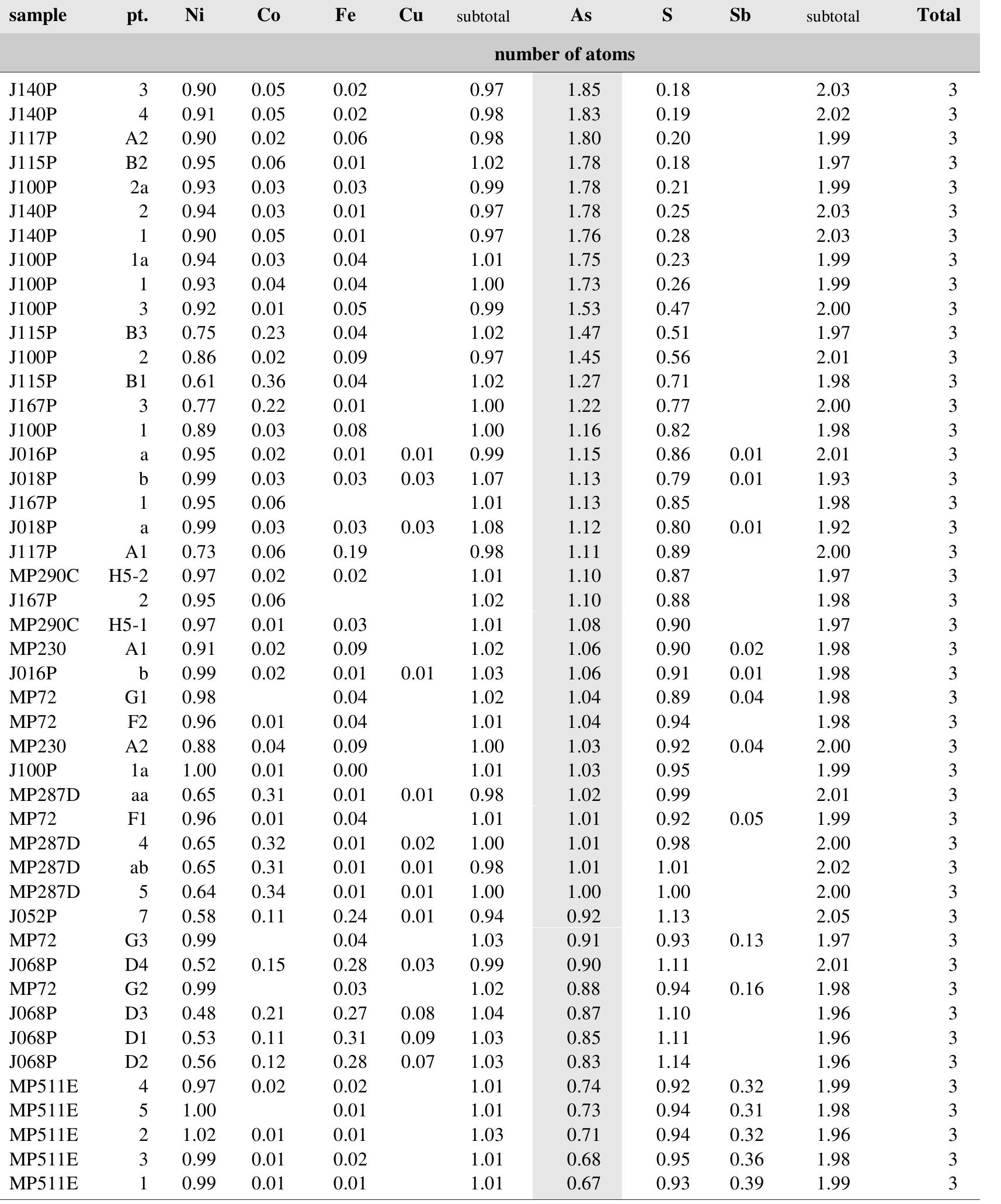
![Fig. 147. Correlation of unit-cell parameter a and As content for pyrites enriched in As from Jachymov. Red symbols show data for As-free pyrite, taken from [499].](https://figures.academia-assets.com/71852809/figure_150.jpg)


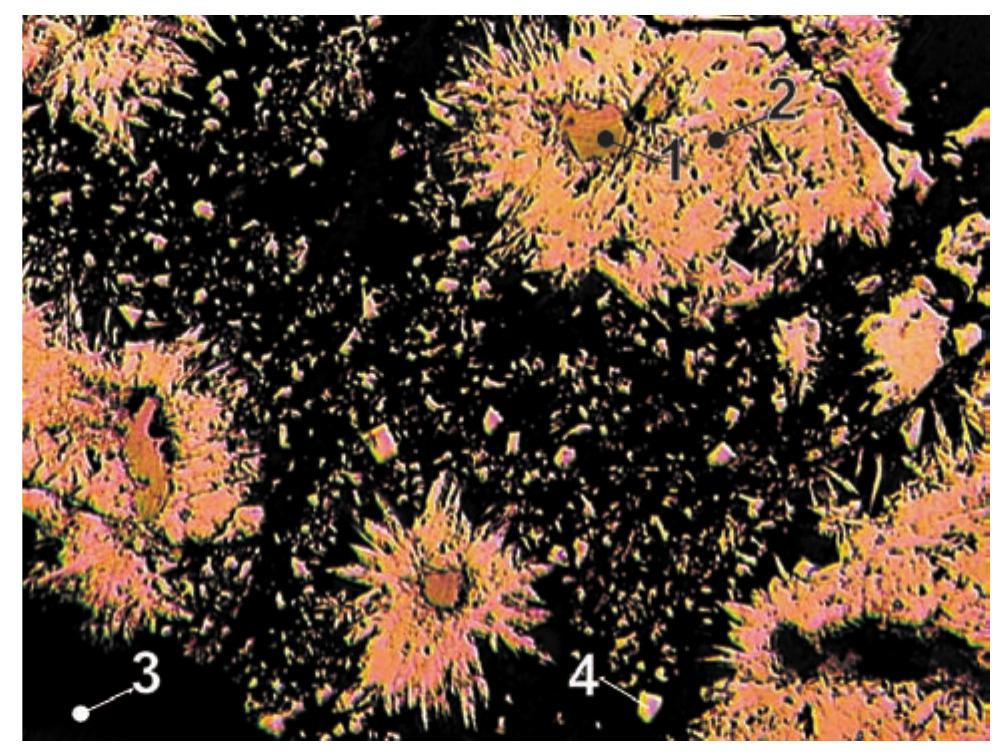


![Table 106. (continued) The outer shape of rammelsbergite aggregates is usu- ally irregular or botryoidal and euhedral crystals are rare. Rammelsbergite rims around native metals show a zon- ing structure (Fig. 150), with individual zones showing different resistence to oxidation in air. The internal struc- ture of zoned aggregates indicates that the zones mimic shape of dendritic silver, serving as matrix for rammels- bergite. It sometimes forms radiating aggregates [351]. The present study confirmed observations by Mrna and Pavlt [351] and characterizes rammelsbergite as belong- ing to abundant minerals in the deposit. It is newly found in rims around bismuth. It also forms individual grains or larger aggregates. It shows a strong anisotropy and ag- gregate extinction in polished sections. It is often asso- ciated with nickel-skutterudite. Reported zoning of ram- melsbergite aggregates may be explained by variation in](https://figures.academia-assets.com/71852809/table_116.jpg)


![Table 113. Calculated unit-cell parameters of W-Sn rutile from Jachymov for the space group P4,/mnm. ization stage, contain rutile up to 100 um long, showing sharply defined growth zones in BSE images. Light zones correspond to rutile with 4-6 wt.% W, 2-2.5 wt.% Fe, 1-1.5 % Sn and dark zones have 0.2-0.7 wt.% W, 0.9-2.4 wt.% Fe, and 0.8-1.4 % Sn. Rocks containing this zoned W-rich rutile carry topaz. A similar W-rich rutile was described from Western Australia [387] both from muscovite schist and quartz vein. It contains 7 wt.% WO,, 2 wt.% Sb,O, and 1 wt.% FeO.](https://figures.academia-assets.com/71852809/table_123.jpg)








![Fig. 200. Drawing of sternbergite crystal and twin by Haidinger [492].](https://figures.academia-assets.com/71852809/figure_205.jpg)


![Fig. 202. JO99P/B-1. 1 — stibnite, 2 — pyrite, 3 — calcite. Svornost shaft, Adit level, Hildebrand vein. BSE image. Magnification 16x. Stibnite from Jachymov was described by Ziickert [423]. Mriia and Pavla [351] reported an isolated find of stibnite with pyrite and pyrargyrite from the Svornost shaft, Adit](https://figures.academia-assets.com/71852809/figure_207.jpg)




![Vladimir shaft, M-2 vein, contains several tetrahedrite grains enclosed in bornite veinlet. Other well-formed tet- rahedrite crystals come from collection of National Mu- seum, Prague (Fig. 213). neous. This is shown by variation in chemical analyses, particularly in Pb, Zr and Y contents. The increased Si con- tents, interpreted in [150] by entry of Si into interlayer po- sitions along [111], could be alternatively interpreted by a heterogeneous admixture of amorphous gels SiO, - nH,O. The latter interpretation would correspond to geochemi- Tetrahedrite is rare in Jachymov though local tennan- tites contain a common admixture of Sb.](https://figures.academia-assets.com/71852809/table_158.jpg)

![Fig. 213. Well-formed tetrahedrite crystals on calcite (width of figure 1.1 cm). Photo J. & E. Sejkora. Table 143. Calculated unit-cell parameters of tetrahedrite from Jachymov for the space group [43m [443].](https://figures.academia-assets.com/71852809/figure_218.jpg)






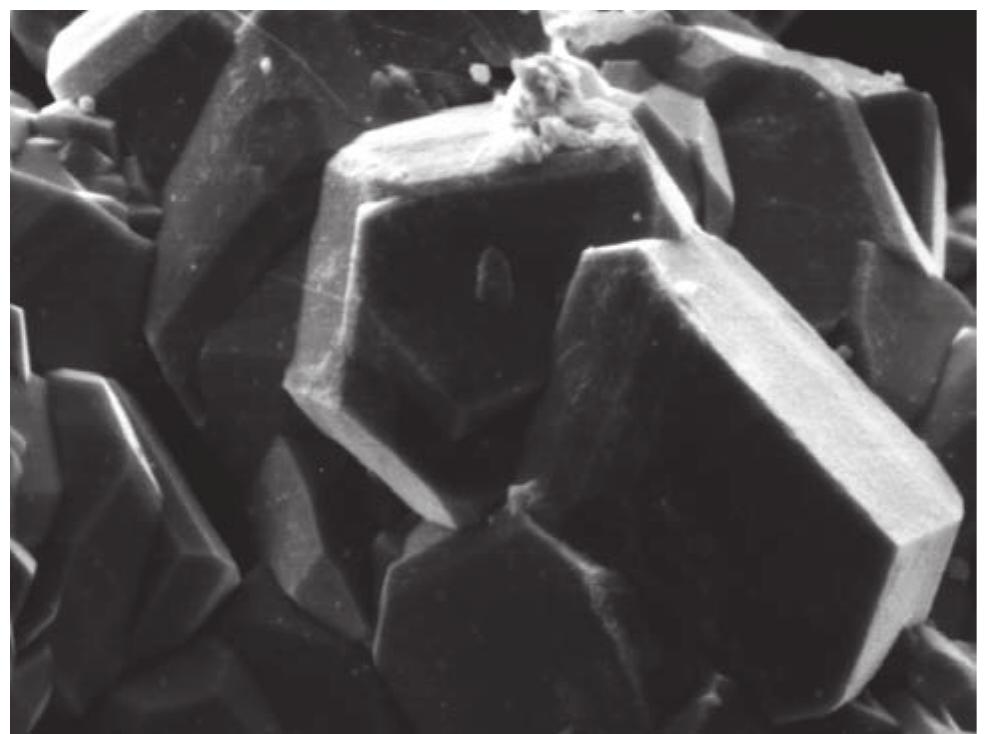
![Fig. 228. VS7651. Crystals of “frieseite”. XRD analysis confirmed that the mineral is a mixture of sternbergite, pyrite and marcasite. Magnification 30x. Photo A. GabaSova. Vrba [532] studied several samples from the Hildebrand and Geister veins with sternbergite and argentopyrite. Two samples representing the two veins contained a min- eral similar to sternbergite but showing different crystal morphology. Vrba introduced the name “frieseite”’ for this](https://figures.academia-assets.com/71852809/figure_234.jpg)


![Fig. 234. Thick tabular singlecrystal of “frieseite” from Jachymov and a twin by Vrba [362]. Crystal forms: c(001), b(010), w(301), 1(102).](https://figures.academia-assets.com/71852809/figure_240.jpg)
![Fig. 235. Orientated intergrowth of a thick tabular crystal of “frieseite” and argentopyrite, by Vrba [362]. Crystal forms: c(001), b(010), q(043), (102), y(101), w(301), t(131).](https://figures.academia-assets.com/71852809/figure_241.jpg)
![Fig. 237. Interpretation of Mrna and Pavlu [383] — maucherite rims a fissure in nickeline, arsenide mineralization stage. Eva shaft, vein No. 39. Magnification 80x. Fig. 236. Topotactic replacement of nickeline along small fissures by orientated intergrowths of rammelsbergite (NAP), from [354]. 1 — NAP, 2 — nickeline, 3 — Ni-arsenete? Germany. Reflected light, single polarizer. Magnification 120x.](https://figures.academia-assets.com/71852809/figure_242.jpg)
![No maucherite was identified during the present study, including some original samples. Alteration of nickeline may possibly result in formation of a rare phase NAP (nickeline alteration product), described by Karup-Mgller and Makovicky [354] in an old sample from an unspeci- fied locality in Germany. The phase NAP evolves by par- tial alteration of nickeline along fractures as lamellae 2x20 um in parallel orientation. Border between NAP](https://figures.academia-assets.com/71852809/figure_243.jpg)
