N-F-co-embedded titania (N-F-TiO2) photocatalysts with varying N:F ratios were synthesized and tested for their ability to photocatalyze the degradation of pollutants present at indoor air levels using visible light. The synthesis was...
moreN-F-co-embedded titania (N-F-TiO2) photocatalysts with varying N:F ratios were synthesized and tested for their ability to photocatalyze the degradation of pollutants present at indoor air levels using visible light. The synthesis was achieved using a solvothermal process with tetrabutyl titanate, urea and ammonium fluoride as sources of Ti, N and F, respectively. Three selected volatile organic compounds (toluene, ethyl benzene and o-xylene) were selected as the test pollutants. The prepared composites were characterized using X-ray diffraction, energy-dispersive X-ray spectroscopy, X-ray photoelectron spectroscopy and Ultra-violet (UV)-visible spectroscopy. The photocatalytic degradation efficiencies of N-F-TiO2 composites were higher than those obtained using pure TiO2 and N-TiO2. Moreover, these efficiencies increased as the N:F ratio decreased from sixteen to eight, then decreased as it dropped further to three, indicating the presence of an optimal N:F ratio. Meanwhile, as retention time decreased from 12.4 to 0.62 s, the average photocatalytic efficiencies decreased from 65.4% to 21.7%, 91.5% to 37.8% and 95.8% to 44.7% for toluene, ethyl benzene and o-xylene, respectively. In contrast, the photocatalytic reaction rates increased as retention time decreased. In consideration of all of these factors, under optimized operational conditions, the prepared N-F-TiO2 composites could be utilized for the degradation of target pollutants at indoor air levels using visible light. OPEN ACCESS Materials 2015, 8 32




![Figure 3. Perceived benefits of using global data within a dashboard approach, by sector. Number of respondent is 51 for public sector 60 for civil-society, and 21 for academic sector. doi:10.1371/journal.pone.0112046.g003 If a dashboard is to be useful for decision makers, the indicators chosen must present information critical to influencing the decisions to be made. We used the Pressure-State-Response- Benefit (PSRB) framework to guide selection of indicators, following Sparks et al. 2011 [14]. This is derived from the causal-chain Pressure-State-Response and Driver-Pressure-State- Impact-Response frameworks, widely used for reporting on the state of the environment [22,23,38,39,40,41,42,43], and one that has been used by the GBD Ad-Hoc Technical Expert Group of the CBD to guide indicator development for the CBD [44] and recommended for communicating biodiversity indicators [42]. The core elements in PSRB as applied in the dashboard assessments are pressure on biodiversity, its drivers, (e.g., habitat destruction, climate change, invasive species), the state of species and ecosystems (e.g., species extinction risk, animal and plant populations, ecosystem integrity), conservation action or policy responses (e.g., protected areas establishment and management, investment in biodiversity conservation) and benefit to human well-being from the social, economic and cultural impacts of conservation (e.g., maintenance of hydrological functions, climate change mitigation, maintenance of indigenous cultures). By Dashboards have been proposed and employed in variou: biological and resource management contexts. For example, the CITES Trade Data Dashboard [34] allows users to explore](https://figures.academia-assets.com/49029075/figure_003.jpg)


![Figure 7. Dashboard indicator trend graphs by region. A.1 — A.3 chart gross forest loss as a percent of forest cover in 2000; B.1-B.3 char change in Red List Index for mammals (green), birds (red), and amphibians (blue); and C.1-C3 chart change in protected area coverage of key biodiversity areas (1950-2010) with solid lines indicating the mean percent protected across all sites, and dashed line indicating the 95% confidence intervals [60]. doi:10.1371/iournal.oone.0112046.qa007](https://figures.academia-assets.com/49029075/figure_007.jpg)


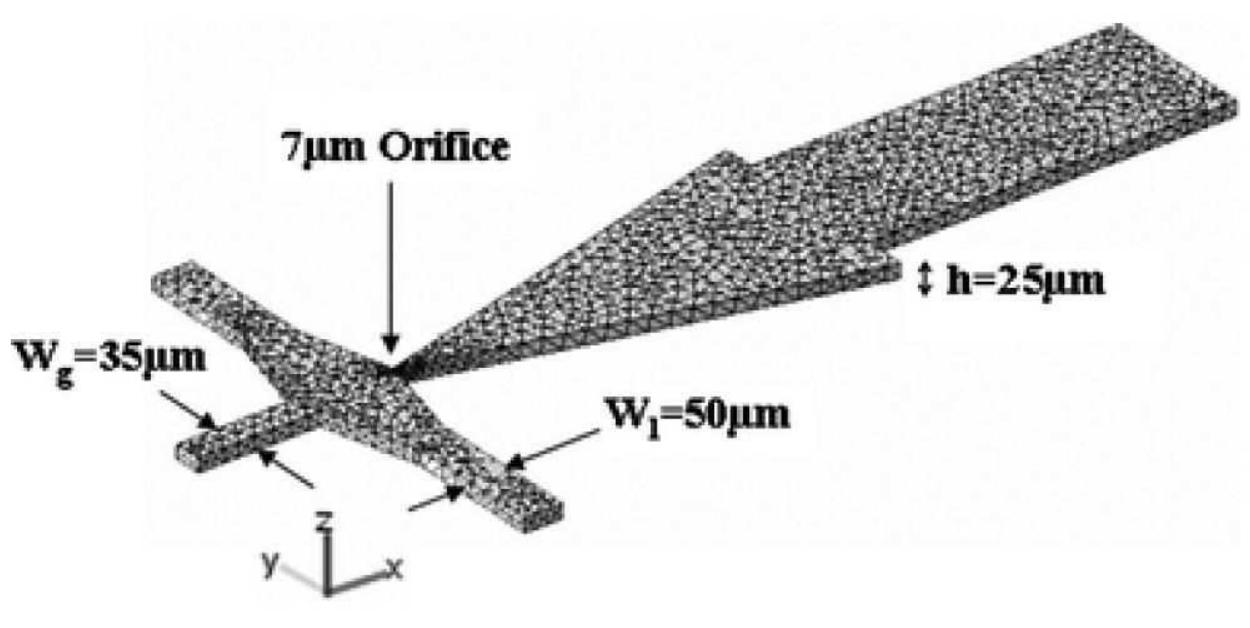




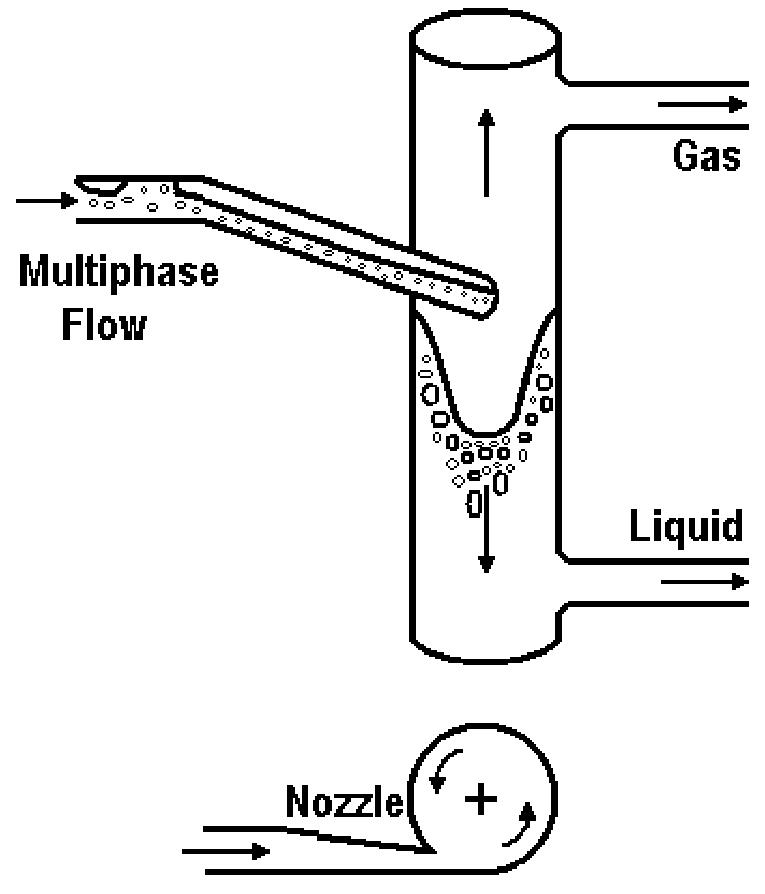


![Two-phase flow simulations were carried out using CFX 4.3™ multi-fluid model. This model considers each phase as an interpenetrating continuum. This means that, each phase is present in each control volume. The volume fraction of a phase represents the fraction o that phase. Two types f the control volume that is occupied by of phase may be defined: continuous phase and disperse phase. There is one solution field for each phase separately. Trans inter-phase _ transfer implemented using the ported quantities interact by means of erms. The multi-fluid model is Inter-Phase Slip Algorithm (IPSA) of Spalding. For each phase the continuity (1), momentum (2), k (3) and ¢ (4) transport eq uations are solved [8]:](https://figures.academia-assets.com/73109521/figure_006.jpg)


![Figure 1. Typical structure of asphalt pavement [15]. Flexible pavement is a widely used type of pavement. Statistics show that 95% of the total highways of the world are made of flexible pavement [7,14]. The type of binder differentiates the two most significant pavement types, which are flexible pavement and rigid pavement. In the case of rigid pavement, Portland cement is used as the binder, and bitumen is used as a binder for flexible pavement. Asphalt concrete is a mixture of aggregates and bitumen. The asphalt concrete mix can be classified into two major categories based on the gradation of the aggregates: hot mix asphalt (HMA) and stone mastic asphalt (SMA). Figure 1 shows the basic structure of a typical asphalt pavement.](https://figures.academia-assets.com/82178699/figure_001.jpg)

![Figure 3. Classification of bitumen according to the Australian Standard for the construction of pavements. Bitumen is a viscoelastic complex hydrocarbon that is black or brown. Although there are a few itural sources of bitumen available, bitumen is generally sourced from crude oil refineries [20]. Due its waterproof and viscoelastic nature, bitumen is used as the binder for the construction of flexible avement all over the world. Bitumen can be classified in three ways: through penetration grade rformance grade, or viscosity. Nowadays, bitumen classification based on viscosity grade is gaining ypularity. The available types according to the Australian Standard (with a typical viscosity of bitumer 60 °C) for the construction of flexible pavements, with the exception of the polymer-modifiec tumen (PMB) class), are provided in Figure 3 [21].](https://figures.academia-assets.com/82178699/figure_003.jpg)
![Figure 4. Quarry waste (left) and traditional aggregate (right). a © Quarries in different parts of the world are generating large quantities of waste. Mine exploratiot and extraction of minerals and valuable stones from quarries require digging and blasting, resulting it waste materials and recoverable aggregates. Aggregates from quarries possess very similar propertie and appearance to conventional aggregates. In Turkey, industrial waste from marble quarries wa proven useful for asphalt pavement by researchers from Afyon Kocatepe University. Increased deman¢ for aggregate for the asphalt industry and deterioration of the general texture of the Earth’s surfac due to the quest for new sources motivated them to use aggregates produced from a marble quarr During the study, researchers compared aggregates produced as waste from a homogenous marble anc andesite quarry with the standard aggregates already in use for the asphalt pavement industry. Th results of this research show that the physical properties of the aggregates are similar to the standar« aggregates. These aggregates can be used for the construction of asphalt pavement suitable for ligh to medium traffic conditions [44]. The mining sector produces many waste products. These waste can be turned into resources by proper innovation and processing methods. Construction of road: and highways require a large amount of aggregates. Conventional granite and basalt aggregate: are expensive, and many countries of the world rely on importing these aggregates for their roac construction. In India, limestone mining waste was processed and reformed to different sizes accordin; to the gradation table. Asphalt mix samples were prepared by replacing up to 50% of conventiona basalt aggregates with the aggregates obtained from mining waste. All the samples fulfilled Marshal design parameters for low-volume roads [45]. Figure 4 shows quarry waste and conventional aggregat for a visual comparison.](https://figures.academia-assets.com/82178699/figure_004.jpg)
![Figure 5. Rate of rutting for SMA modified with ground rubber [49]. Several research works have been carried out to utilize ground tire rubber in asphalt pavements. One significant study used ground tire rubber (GTR) produced in Taiwan in the production of stone mastic asphalt (SMA). When the rubber was used, no fiber was needed to stop drain-down. The results in Figure 5 show that at 60 °C, the rutting resistance of the samples was better than that of conventional SMA mix [49]. SMA samples were prepared with aggregates with a maximum of 13 mm (SMA 13) and maximum of 19 mm (SMA 19). Researchers have also studied ground tire rubber because of the increase in the number tires being dumped into landfills each day [50]. A recent study indicated that the addition of ground tire rubber in asphalt binder enhanced high-temperature properties [51,52]. Pouranian et al. (2020) investigated environmental concerns with respect to the recycling of crumb rubber in bitumen and found that emissions could be reduced with the use of additives in warm mix asphalt (WMA) [53]. Ding et al. (2019) utilized crumb rubber as the rejuvenator for reclaimed asphalt concrete (RAP) and observed improved low-temperature performances [54].](https://figures.academia-assets.com/82178699/figure_005.jpg)
![Figure 6. Asphalt binder (bottom right) modified with waste cooking oil (top), crumb rubber (middle left), palm oil fuel ash (middle right), and the blending process (bottom left) [22]. rubber, and palm oil fuel ash with bitumen 60/70 (penetration grade), and compared the binder with neat bitumen. The selection of the materials and the blending process of the bitumen is shown in Figure 6 [22]. The blending procedure was performed at 120 °C for 2 hours at 900 rpm. The result showed an increase in viscosity of the modified binder and improved penetration and rheological properties, making it a suitable binder for asphalt concrete, as shown in Figure 7.](https://figures.academia-assets.com/82178699/figure_006.jpg)
![Figure 7. Physical test results of the asphalt modified with waste cooking oil (WCO), tire rubber powder (TRP), and palm oil fuel ash (POFA) [22].](https://figures.academia-assets.com/82178699/figure_007.jpg)
![Coconuts are very common in the tropical regions. Discarded coconut has been recycled for 1 many manufactured materials. Coconut shells and fi bers have recently been adopted in the asph ivement industry. Researchers in Malaysia explored the effect of asphalt mix, where aggregates w placed by coconut shells. These samples contained coconut shell content of 5%, 10%, and 15% reregates. At the same time, coconut fibers were added in the mix, representing 0.3% and 0.5% eight. Additives were treated by NaOH before the preparation of the asphalt mix to reduce the wa sorption property. The result showed better resilient % coconut shell aggregate was added [55,56]. In Braz ere used to prepare stone mastic asphalt (SMA) mix. modulus under a temperature of 25 °C wi il, coconut, sisal, cellulose, and polyester fib Figure 8 shows the coconut powder, which ¢ » used as fiber for asphalt concrete. In this mixture t he amount of bituminous content was hig nce it was necessary to use fibers to prevent drain-down. Coconut-, sisal-, cellulose-, and polyes yer-modified SMA mix exhibited high resistance and prevented bitumen from draining down [28; Figure 8. Coconut shell powder (on the right) produced from coconut (on the left), which can be used as fiber.](https://figures.academia-assets.com/82178699/figure_008.jpg)
![Figure 9. Marshall stability and flow test result of asphalt concrete modified with styrene-butadiene block copolymer (SBS) and starch [58]. was limited to speeds up to 65 km/h, while in real-world scenarios, cars often achieve speeds much higher than 65 km/h on most free-flowing roads. The use of glass cullet as a filler in HMA mixtures has also been studied, and it has been shown that a mix with 6% bitumen content and 15% glass cullet content reduces the strain properties of asphalt concrete at 5°C, 25 °C, and 40 °C compared to the control sample [61].](https://figures.academia-assets.com/82178699/figure_009.jpg)
![Figure 10. (a) Stoneware tile waste; (b) porcelain tile waste; (c) recycled ceramic aggregates (0-4 mm fine fraction); and (d) recycled ceramic aggregates (4-11 mm coarse fraction) [66]. 1e results the weig. from the study indicated that the mix hich utilized limestone as an aggregate. Glazed yplied to t id fatigue he ceramic material disallows proper testing were also excluded from this s that contained more than 20% and less than 100% ht of aggregates displayed better mechanical properties compared to the control mix tiles were excluded in this study, as the glazing binding of the HMA mixture. Rutting potential tudy. Research has been conducted to investigate e compatibility of ceramic waste material as a secondary aggregate and it was found that the ideal rcentage of waste ceramic was 30% of the weigh t of aggregates, as shown in Figure 10 [66].](https://figures.academia-assets.com/82178699/figure_010.jpg)
![Figure 11. Pictures (a) and SEM pictures (b-e) of the three fillers: (a) dregs, fly ash, and commercial limestone; (b) dregs, (c) detail of cube-shaped crystals of dregs; (d) fly ash; and (e) commercial limestone [66]. Figure 11. Pictures (a) and SEM pictures (b-e) of the three fillers: (a) dregs, fly ash, and commercial](https://figures.academia-assets.com/82178699/figure_011.jpg)
![Figure 12. Encapsulated cigarette butts (CBs) used in the research conducted by Mohajerani et al. (2017) [71].](https://figures.academia-assets.com/82178699/figure_012.jpg)
![Figure 13. Some CB-modified asphalt samples prepared by Mohajerani et al. (2017) [71].](https://figures.academia-assets.com/82178699/figure_013.jpg)
![Figure 14. Marshall stability and flow of asphalt prepared with different amounts of CBs (10 kg, 15 kg, and 25 kg CBs in each m?® of dense asphalt) encapsulated with bitumen classes C170, C320, and C600 [71].](https://figures.academia-assets.com/82178699/figure_014.jpg)
![Figure 15. Resilient modulus of asphalt concrete (10 kg, 15 kg, and 25 kg CBs in each m?® of dense asphalt) prepared with different amounts of bitumen class C170 encapsulated CBs [71]. Mohajerani et al. (2017) assessed the resilient modulus of asphalt concrete prepared with CBs and found the all the samples met the standard range 2500-4000 MPa for bitumen class C170 [71]. The results are shown in Figure 15.](https://figures.academia-assets.com/82178699/figure_015.jpg)
![Table 2. Characteristics of polymers used to modify asphalt binders [39]. An artificial neural network study and as multiple linear regression analysis were carried out, aiming to predict permanent deformation of HDPE-modified asphalt mix. The model showed that up to 7% addition of HDPE waste materials in asphalt mixture reduced the final strain of the mixture and reduced permanent deformation under dynamic loading conditions [40]. in resilience modulus, and a model indicated improvement in rutting and fatigue performance [38]. The difference between the various types of polymers like polyethylene, polypropylene, polyvinyl chloride, styrene-butadiene block copolymer, and styrene-isoprene block copolymer relates to the manufacturing process through polymerization. Each type of polymers stand alone in properties like hardness, viscosity, transparency, temperature susceptibility, color, and type of additive used. Table 2 shows the advantages and disadvantages of different types of polymer plastic in the asphalt binder.](https://figures.academia-assets.com/82178699/table_001.jpg)
![Table 3. Marshall stability and flow results of the asphalt prepared with glass and plastic [44] 4.2. Quarry Waste](https://figures.academia-assets.com/82178699/table_002.jpg)


![MN, USA) was placed and light-cured over the coating on three teeth from each group in order to minimize the effects of dehy- dration. The specimens were then divided longitudinally via cryofracturing into equal halves. The fractured surfaces were acid-etched with 37% phosphoric acid for 5s to remove any smear layer created by cryofracturing, and then treated with 5% NaOCl for 2 min to remove any uninfiltrated dentin matrix. All specimens were rinsed extensively in water prior to pro- cessing through an ascending alcohol series and critical-point drying [39,40]. Each half was sputter coated with gold and examined by SEM. In the SEM image of an SBP-OPN specimen in Fig. 2, the bottom two-thirds of the hybrid layer are empty. The pres- ence of resin tags penetrating from the overlying adhesive into the open tubules of the underlying dentin demonstrated that the resin had penetrated the 5 »m deep demineralized dentin; some tags fell out of several tubules when the specimens were cryofractured. The adhesive (A) above the hybrid layer, and the resin tags seemed to resist the action of NaOCl; the 5 1m wide gap between the bottom of the adhesive and the dentin (D) is due to the NaOCl treatment removing all collagen exposed by the original phosphoric acid-etching and any acid-etched dentin matrix that was not well-infiltrated by SBP. The open arrowhead in the adhesive layer identifies what appears to be a liquid droplet phase change. The top of the hybrid layer (H) seems to have resisted the action of NaOCl.](https://figures.academia-assets.com/44640308/table_002.jpg)
![Payload temperature over the range from approximately 100 °C to 400 °C had a relatively small effec overall system mass. That is to say that if a system is required at all, only minor increases in are necessary to address cooling over a large tem on the cooling its mass perature differential. This finding potentially relaxes requirements for high temperature electronics if an active cooling system is present. Although recent tec developments have demonstrated long duration hnology (~1700 hours) operation of silicon carbide-based electronics at temperatures of 500 °C [13], maintaining the temperature of the pressure vessel below 125 °C ( internal to allow Figure 1 - Number of GPHS modules needed as a function of payload operating temperature and power. Simulation was performed for surface (altitude = 0), 850 C RPS hot-side temperature, and 1-meter pressure vessel diameter.](https://figures.academia-assets.com/83259771/figure_001.jpg)


![Table 1 Stirling generator and cooler concept parameters All Stirling configurations rely on the same concept of a closed-cycle regenerative heat engine with a gaseous working fluid. Stirling engines use the temperature difference between their hot ends and cold ends to establish a cycle of a fixed mass of gas, heated and expanded, and cooled and compressed, thus converting thermal energy into mechanical energy. The greater the temperature difference between the hot and cold sources, the greater the thermal efficiency. In practice, efficiency is limited by non-ideal properties of the working gas, and the engine material properties such as friction, thermal conductivity, tensile strength, creep, rupture strength, and melting point [9]. Table 1 shows the parameters of each Stirling concept considered.](https://figures.academia-assets.com/83259771/table_001.jpg)




![Benefit Package. We outlined a package of services as using Indian Public Health Standards (IPHS) [22]. The overall objective of these IPHS standards has been to define a comprehensive package of quality services, responsive to the needs of the We collected data to parameterize a decision model to estimate the cost associated with delivering health care to a population of 100,000 people in Chandigarh (Figure 1). Later we use the variation in burden of disease, treatment seeking behavior, cost of care and other model parameters to generalize our study results to Figure 1. Decision Model to predict patient load, human resource and recurrent cost to a hospital. doi:10.1371/journal.pone.0030362.g001](https://figures.academia-assets.com/48637954/figure_001.jpg)

![*Feasibility evaluation matrix adapted from Hotchkiss D et al (1999) [49]. doi:10.1371/journal.pone.0030362.t001 Table 1. Feasibility* of universalizing health care using a model of public and private sector delivery in India.](https://figures.academia-assets.com/48637954/table_001.jpg)


