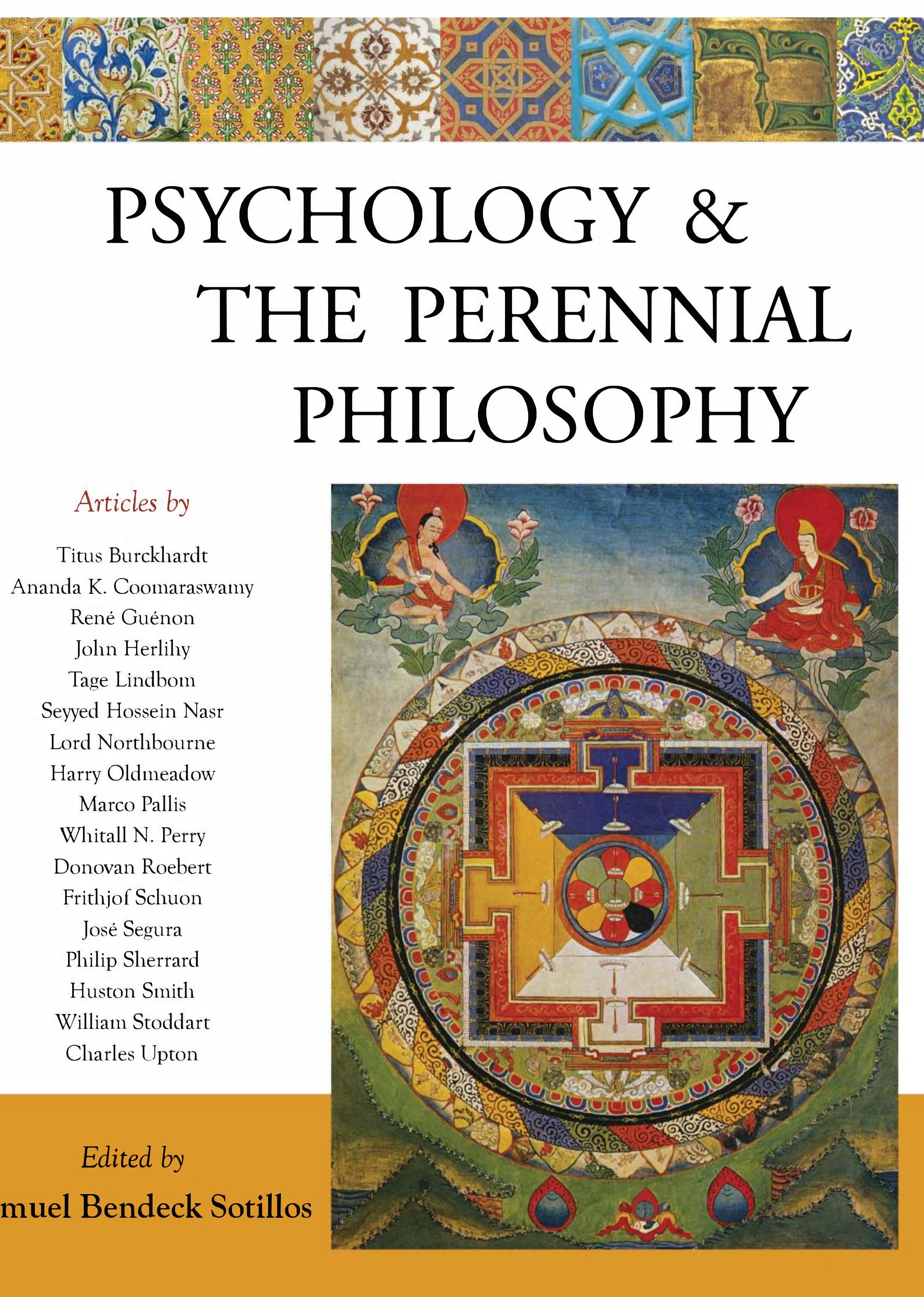
In order to better cope with the pressures and stresses of the current day, modern psychology is anxiously seeking to find new therapies to address the increasing disorders within the human psyche. In the process new fields of research,...
moreIn order to better cope with the pressures and stresses of the current day, modern psychology is anxiously seeking to find new therapies to address the increasing disorders within the human psyche. In the process new fields of research, such as humanistic and transpersonal psychology, curiously appear to borrow more and more from the wisdom of the ages. This volume, containing eighteen articles by noteworthy expositors of the perennial philosophy such as Huston Smith, Seyyed Hossein Nasr, and Frithjof Schuon, presents the spiritual psychology of the wisdom traditions as a much-needed antidote to the current impasse in modern psychology.
Some Endorsements for Psychology and the Perennial Philosophy:
“[Psychology and the Perennial Philosophy] is more than an anthology. It is a wisely crafted collection of classic and contemporary scholarship noting that what many are seeking is what has always been, a perennial philosophy, that remains foundational. As one of the authors, Tage Lindbom, properly notes, ‘Secularization is a fish in troubled waters.’ This book claims the waters and is essential reading for all those who may have forgotten or are simply ignorant of the rich foundation provided by the perennial philosophy.”
—Ralph W. Hood, Professor of Psychology at the University of Tennessee at Chattanooga, past president of the Psychology of Religion division of the American Psychological Association, co-founder of The International Journal for the Psychology of Religion and co-author of The Psychology of Religion
“A necessary and bracing critique of the assumptions and limitations of contemporary Western psychology, this generous volume is also a passionate call and learned guide towards a truer perspective that embraces man's spiritual nature.”
—Gabor Maté, M.D., and author of In the Realm of Hungry Ghosts: Close Encounters with Addiction
“Knowing the nature of the mind is perhaps the most difficult undertaking, especially in today’s world. To comprehend the nature of mind one needs to turn to the domain of religion and spirituality. Yet the truth of the mind and its complexity cannot explicitly be defined in words. Inner or transcendent wisdom sees the mind’s own nature without the duality of the seer. Suchness (tathatā) of mind is only experiential and not expressible. The words used to describe thought are themselves a product of thought, which is conditioned and limited. Thus, differences and contradictions are unavoidable. Therefore, a comparative study of different viewpoints and commentaries is immensely important to awaken the inner intelligence to see the mind as it is. Psychology and the Perennial Philosophy: Studies in Comparative Religion edited by Samuel Bendeck Sotillos is an outstanding effort in this direction.”
—Samdhong Rinpoche, former Prime Minister (Kalon Tripa) of the Tibetan Government-in-exile, author of Uncompromising Truth for a Compromised World: Tibetan Buddhism and Today’s World
“The rise of psychology has impacted the study and practice of spirituality, the experiences and attitudes relevant to ultimate human values that transcend ordinary behavior. Each chapter of this remarkable book demonstrates this interaction in a unique and provocative way. But rather than using psychology to reduce and ‘psychologize’ spiritual topics, its authors demonstrate how directives from the spiritual traditions can enhance and even illuminate the enduring importance of psychology in the 21st century.”
—Stanley Krippner, Saybrook University, co-author of Spiritual Dimensions of Healing
“The work at hand is a thinking and debating man’s delight. If you have any interest at all in attempting to include an educated and enlightened view of man’s higher functions in your purview of the world, you will learn from and enjoy this collection of essays. If you already have some knowledge in this area, brace yourself: you may see some of your favorites sharply criticized. A thought-provoking work.”
—Bruce W. Scotton, University of California, San Francisco, co-editor of Textbook of Transpersonal Psychiatry and Psychology
“This book, superbly edited by Samuel Bendeck Sotillos, is a masterful critique of the field of psychology and its loss of the sacred ground in which it once was rooted. It offers depth psychologists an opportunity to contemplate timeless truths echoed through the centuries by perennial philosophers who have always claimed psyche is subordinate to Spirit. Although ignored in depth psychology’s early years due to prejudice and lack of understanding, this is a message today’s psychotherapists must take seriously. Human beings need a deeper and wider transpersonal vision of who and what we are, which the saints and sages of the world’s spiritual traditions have always pointed to. In psychotherapy with a therapist committed to such a vision, patients penetrate into their unconscious depths and not infrequently awaken to the Ground of all Being. Their suffering itself occurred because they had turned away from Spirit. Above all, this volume passionately calls upon depth psychology to remember its origin in the perennial wisdom at the core of the great religions. There is something of a polemic in these pages. It deserves to be considered by depth psychologists of all persuasions.”
—Bryan Wittine, Transpersonal psychologist and Jungian psychoanalyst
“This anthology from Samuel Bendeck Sotillos is a must reference for anyone who is interested in psychology and its relationship to spirituality, and in developing an inclusive dialogue between disciplines that favor an integral outlook on the person and his or her potential. Selections in this anthology will inspire us to reexamine the metaphysical underpinnings of psychology, and remind us how important it is to rise above science’s attempt to reduce the human being to an epistemic object.”
—Sangeetha Menon, National Institute of Advanced Studies (Bangalore, India), Board Member of the International Transpersonal Association (ITA), author of The Beyond Experience: Consciousness in Bhagavad Gita
“This anthology has some of the most discerning essays and reviews on spirituality and psychology, which provide much-needed care and caution to all those engaged in bringing them together or who wish to do so in future. Therefore, it is a must-read for all those who teach, research, consult, or study in such frontier areas as transpersonal psychology, states of consciousness, mind-body relation, holistic health, Indian psychology, and so on. It will be an invaluable textbook for courses in these and other related areas. I congratulate the editor of the book.”
—Kiran Kumar K. Salagame, University of Mysore (India), Board Member of the International Transpersonal Association (ITA), author of The Psychology of Meditation: A Contextual Approach
“One of the finest collections of essays on the Perennial Philosophy—a must-read for all psychologists who are engaged with spirituality and transpersonal psychology. The essays which critique modern psychology (including transpersonal psychology, and the framework of Carl Jung), in the light of the Perennial Philosophy are a revelation and make compelling reading. The book serves as a corrective to the excesses of modern psychology, and to this end Sotillos has done a commendable job. I for one will include the book in some of the graduate courses that I teach.”
—Suneet Varma, University of Delhi, co-editor of Foundations of Indian Psychology
“To its credit modern science by-and-large is becoming more cognizant of the essential connection between spirituality and psychological health and well-being and most of all its positive implications within the field of psychology. While there is ample data to document this in a plethora of academic journals and books, this new book Psychology and the Perennial Philosophy adds a novel contribution to the dialogue between psychology and spirituality, which captures many nuances that for the most part go unnoticed within these discussions, and last but not least, it provides a keen eye of discernment to understand this intricate relationship on a deeper level that is crucially needed. This work will be a valuable asset to students and long term mental health practitioners and professors alike who seek to better understand the relationship between psychology and spirituality.”
—Harold G. Koenig, Duke University, Director of the Center for Spirituality, Theology and Health, co-author of The Handbook of Religion and Health








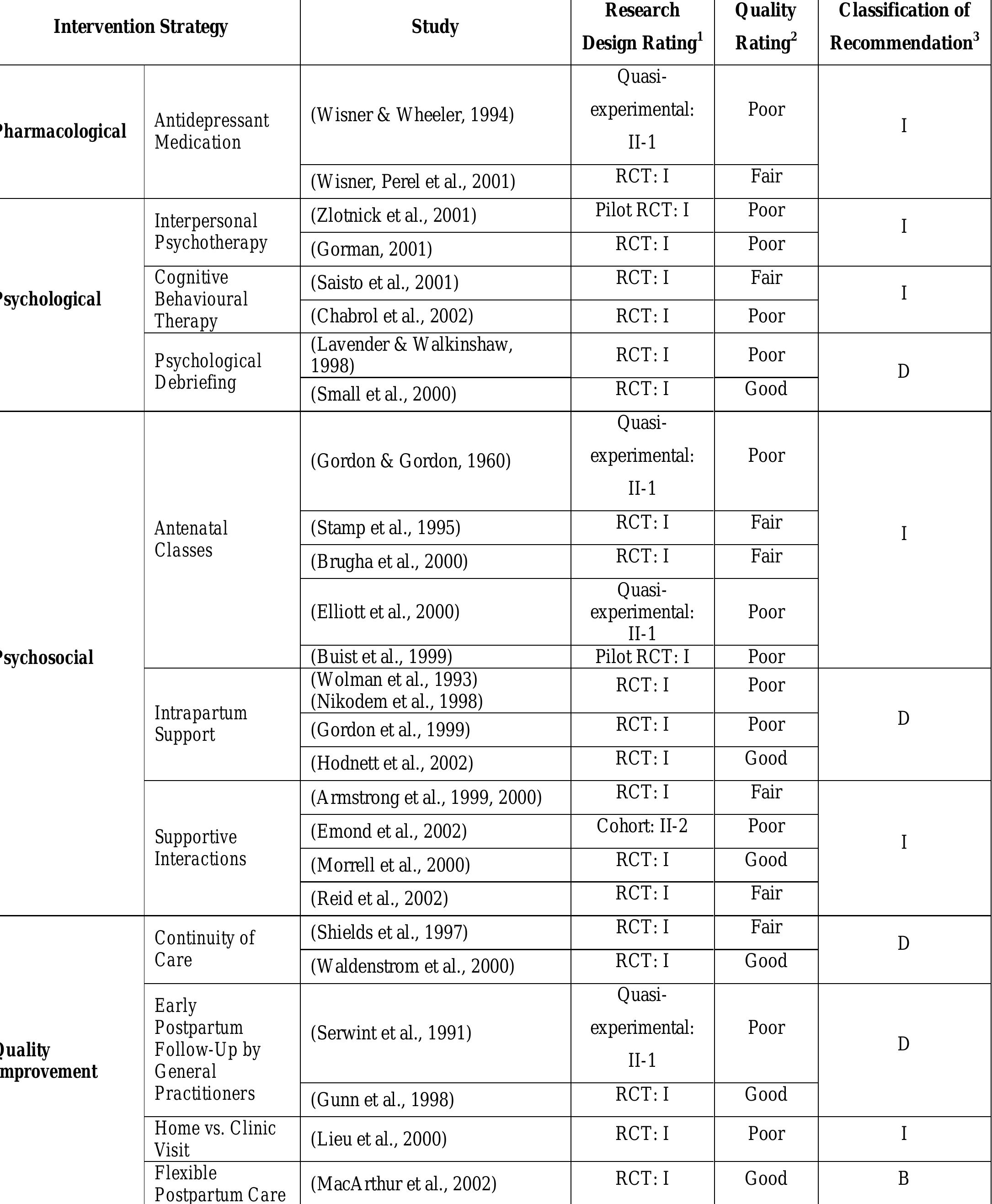


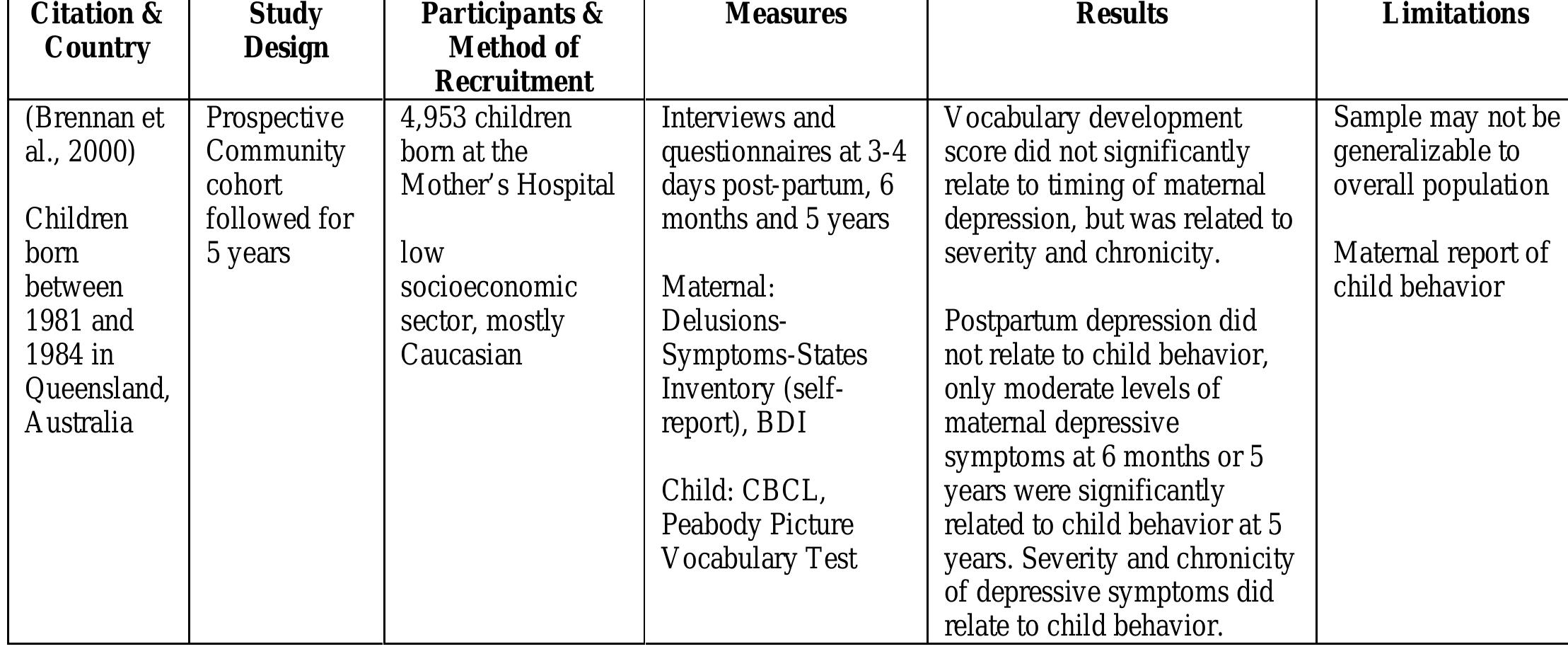


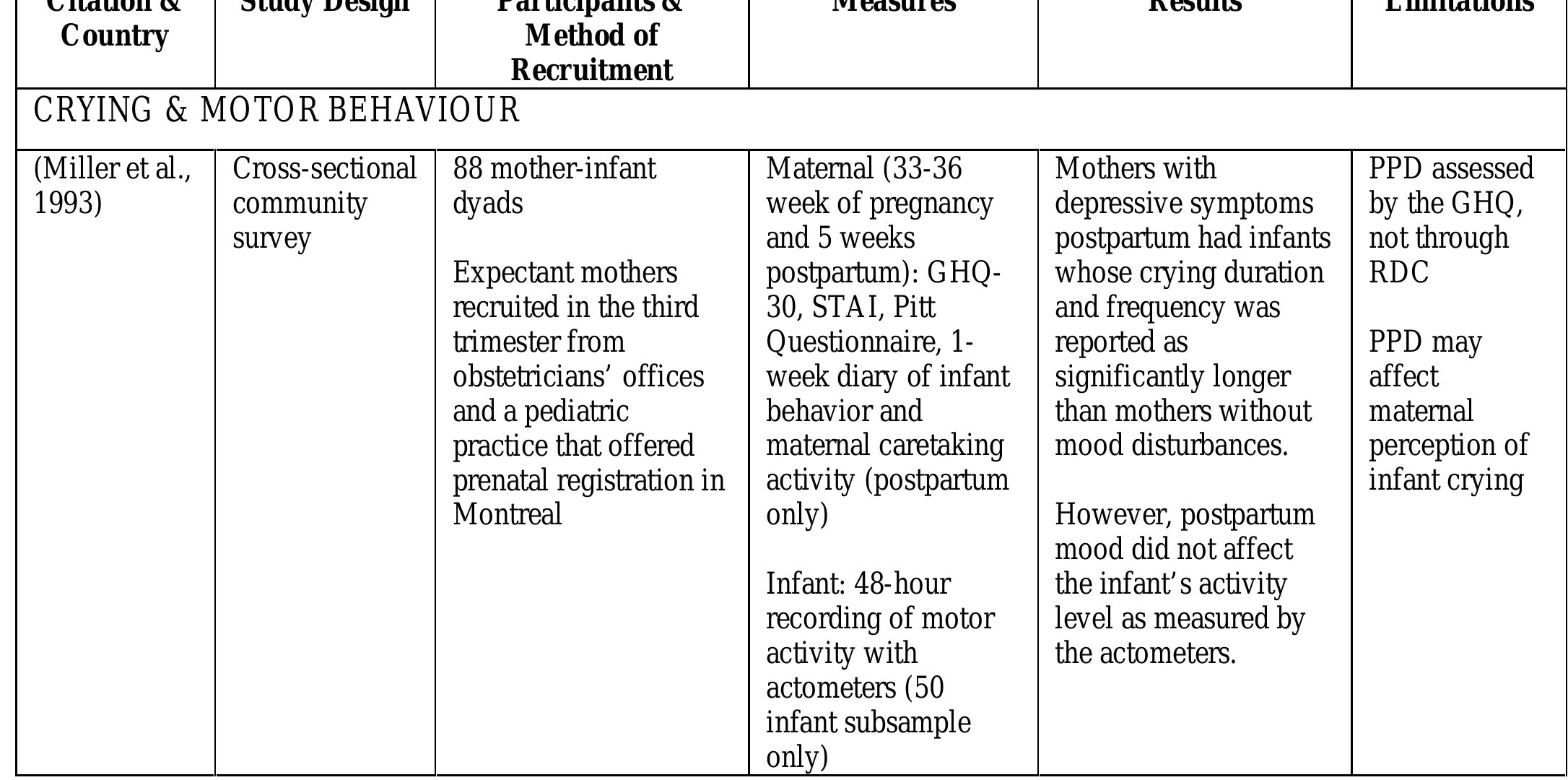


![Figure 1. A developmental working model of social buffering of the hypothalamic—pituitary—adrenocortical (HPA) axis in humans. OT = oxytocin; vmPFC = ventromedial prefrontal cortex; Epi = epinephrine; NE = norepinephrine. The importance of social relationships for most aspects of human development has been recognized by psychologists for over a century (Hartup & Laursen, 1999), but our ability to define which aspects of relationships matter in which contexts and to incorporate them in other fields of study has not yet matured (Reis & Collins, 2004). We know that human beings have a fundamental need to belong, experiencing distress when their connections with others are lacking or damaged (Baumeister & Leary, 1995). We also know that infants are predisposed to form attachments to their caregivers and possess behavioral systems that allow them to rely on these bonds for survival (Bowlby, 1969), and we will discuss some neurobiological evidence that our species is wired for soci- ality in the next section. Describing the complexity of different types of relationships and their functions, as well as how they shape individual development, is beyond the scope of this review (for a discussion, see Reis, Collins, & Berscheid, 2000). Instead, buffering in humans, which have primarily been conducted with adults and have not always measured cortisol. In contrast, studies on nonhuman animals have yielded a well-established and growing iterature investigating social buffering in early development. The goal of this review is to integrate animal and human studies to begin to understand the neurobiological structures and processes involved in the stress-relieving properties of social interaction. Furthermore, social support is such a broad construct in the current iterature that it is not clear what would need to be manipulated if we were to deploy it as an antistress remedy in psychological interventions. Some have even argued that the construct is so broad it is not useful, and we need to abandon it in favor of more specific behaviors (Barrera, 1986). Consequently, we also aim to organize our knowledge of social support behavior. We begin by discussing dimensions and typologies of social support behavior as they have been described in behavioral science, then we briefly review the neurobiology of the HPA axis and what is known about the central neural mechanisms that regulate it (including the role of the prefrontal cortex [PFC]). Next we address the neurobiology of human social bonding, including the role of the neuropeptides oxytocin and vasopressin and how they may interact with the HPA axis. This will be followed by a review of animal models of HPA activity modulation by social factors, continuing with a summary of human studies in children and adults that provide hints about the neurobiology that may be involved in the social buffering effect. We then propose a developmental working model of the social](https://figures.academia-assets.com/39641366/figure_001.jpg)
![Figure 2. Neurobiology of stress. The primary sensory and association cortices relay information to the medial and orbital prefrontal cortex (PFC). The anterior cingulate cortex (ACC), medial PFC (mPFC), and orbital PFC (OFC) then transmit signals to subcortical structures involved in the stress response. The ACC, mPFC, and OFC are reciprocally interconnected with one another and with the amygdala. Both the hippocampus and the amygdala also maintain connections to the locus coeruleus, which releases norepinephrine (NE) to brain areas involved in alerting. The ACC, mPFC, OFC, and amygdala, as well as the hippocampus, all provide inputs to the hypothalamus. Nuclei in the lateral hypothalamus activate highly interconnected nuclei in the brainstem, which regulate the sympathetic (NE and epinephrine [EPI]) and parasympathetic (acetylcholine [ACH]) nervous system via pathways traveling through the spinal cord to preganglionic nuclei or to target organs (e.g., the adrenal medulla). In the paraventricular region of the hypothalamus, corticotropin-releasing hormone (CRH) is produced, which travels through the hypophyseal portal system to the anterior pituitary gland and stimulates the production and release of adrenocorticotropic hormone (ACTH). ACTH stimulates cells in the adrenal cortex to produce glucocorticoids (GC; cortisol in humans). Adapted from “Stress and Emotion in Early Childhood,” by M. R. Gunnar and E. P. Davis, in Handbook of Psychology, edited by R. M. Lerner, M. A. Easterbrooks, & J. Mistry, 2003, Vol. 6, p. 117. Hoboken, NJ: Wiley. Copyright 2003 by John Wiley & Sons, Inc. Reprinted with permission. Acute release of GCs has numerous effects on the body, includ- ing mobilization of energy to muscles, enhanced cardiovascular tone, a stimulation of immune function, inhibition of reproductive physiology, decreased appetite, sharpened cognition, and increased local cerebral glucose utilization (Sapolsky, Romero, & Munck, 2000). GCs are not only produced in response to stressors, but are released in pulses across the day to ensure basal levels of hor- mones that are necessary for energy, motivation, and optimal functioning overall. The release of basal GCs follows a circadian clock, with higher levels in the morning for humans (approxi- mately 30 min after wake-up, which has been named the cortisol awakening response and associated with numerous psychological and physical health outcomes (Fries, Dettenborn, & Kirschbaum, 2009) and decreasing production throughout the day, reaching GCs bind to glucocorticoid receptors (GRs) and mineralocorti- coid receptors (MRs) differentially when they are released in response to a stressor versus their basal circadian release. GCs have 10 times higher affinity to MRs and occupy them first, before acting on the GRs (Oitzl et al., 2010). Thus, MRs are almost entirely occupied when GCs are in the basal ranges, and GRs only become occupied when stressors elevate GC concentration above basal levels. Evidence is accumulating for the hypothesis that the balance of MR to GR is crucial for an effective regulation of stress responses and for resilience to psychiatric disorders (Oitzl et al., 2010). Recent studies in rodents have shown that the expression of MR and GR can be affected by environmental factors such as early maternal care, through epigenetic mechanisms (Meaney & Szyf, 2005). Future research will likely continue to explore the biolog- ical mechanisms involved in the transduction of early life experi- ences into lasting patterns of stress reactivity.](https://figures.academia-assets.com/39641366/figure_002.jpg)






![Figure 8 show’s Levin’s diagram of the spiral showing major cycles and her labels for the different stages. In this, she marked an asterisk to show the end of adolescence, and a double asterisk to mark the end of the second major cycle, commenting that this is often known as a midlife crisis. Levin commented that “The significance of this developmental cycle is in its application, for we can use it to develop our power in all the phases of our lives. Individuals can understand the issues of personal growth and thus translate script limitations into options for effective action [Examples of use by couples, parents, teachers, patients, organisations, and therapists ]... Such a wide range of application is possible because the tides of every life in every time and place are connected to the cycle of development as essentially as the ocean tides are connected to the pull of the moon.” (p. 138).](https://figures.academia-assets.com/56916045/figure_008.jpg)


![[Note: Berne (1963) diagrammed Simple as Ameboid (p. 54) and Compound and Complex as above (p.58)]](https://figures.academia-assets.com/56916045/figure_018.jpg)
![[Note: neither Berne nor Fox drew this ‘complicated’ diagram that combines levels and functions]](https://figures.academia-assets.com/56916045/figure_019.jpg)